
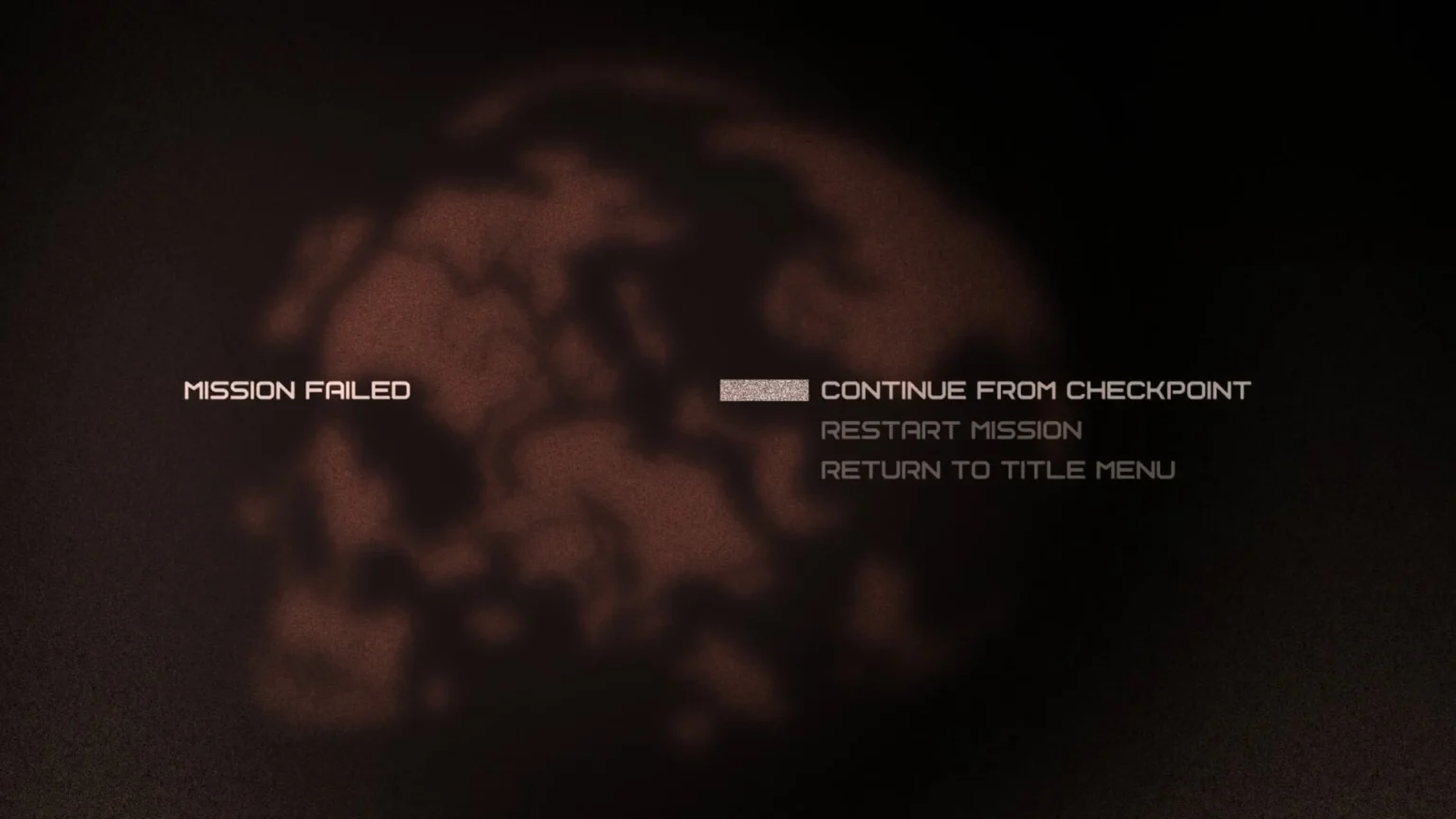
After defining what the player can do through Player Actions, what they aim to achieve through Primary Objectives, and why they remain engaged through the Reward Cycle, it is time to examine the game design component that gives real weight to all of those decisions: Fail States.
Fail states are not simply punishment. They are not just a Game Over screen, nor an obstacle inserted to delay progression. At their core, fail states are the mechanism through which a game defines boundaries, risk, and the meaning of failure itself. Without clearly designed fail states, the gameplay loop loses tension, player decisions lose significance, and the reward cycle becomes mechanical rather than meaningful.
Within the framework of the nine core pillars of game design, fail states operate as a convergence point between objectives, systems, pacing, and player experience. They are not an isolated system. They are a structural layer that runs through every level of design.
What Fail States Mean in Game Design
A fail state is any condition in which the game recognizes that the player has failed to satisfy a critical requirement of the system. That failure may be total, partial, temporary, or permanent. The defining criterion is not whether the player simply “loses,” but whether the system activates consequences that meaningfully alter the gameplay state.
A fail state may emerge from incorrect execution of player actions, poor resource management, time pressure, or strategic decisions that conflict with the game’s primary objectives. What matters is that failure always results from player choice, misjudgment, or omission rather than arbitrary system behavior.
The Functional Relationship Between Fail States and Player Actions
Every fail state is directly tied to what the system allows or prevents the player from doing. If player actions carry no real risk, failure has no meaning. Conversely, if the risk is not readable, failure becomes unfair.
Strong fail-state design requires every critical player action to carry a clear possibility of failure and clearly defined consequences. This creates predictability without removing tension. The player does not need to know the outcome in advance, but they must understand the risk involved.
Fail States and Primary Objectives
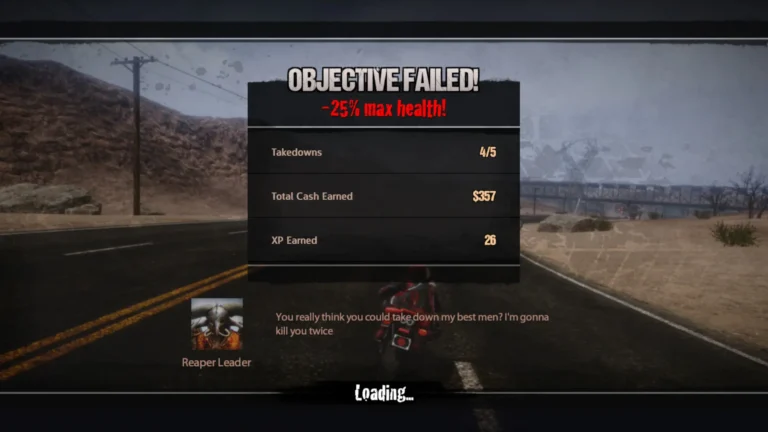
Primary objectives define what success means. Fail states define what failure means. These two elements are complementary and should always be designed together.
A poorly structured objective without a clear fail state becomes little more than activity without consequence. On the other hand, a fail state without a meaningful objective becomes punishment without purpose. Balance is achieved when the player understands exactly which condition was violated and why that violation matters in relation to the objective.
The Connection Between Fail States and the Reward Cycle
A reward cycle cannot function properly without an equivalent failure loop. Success only gains value when failure carries a cost. Fail states generate negative feedback, which strengthens the emotional value of reward.
Well-designed fail states do not interrupt the reward cycle. They redefine it. Failure becomes information, learning, and motivation for improvement. When failure leads to deeper system understanding, the gameplay loop remains active rather than collapsing.
Categories of Fail States in Game Design
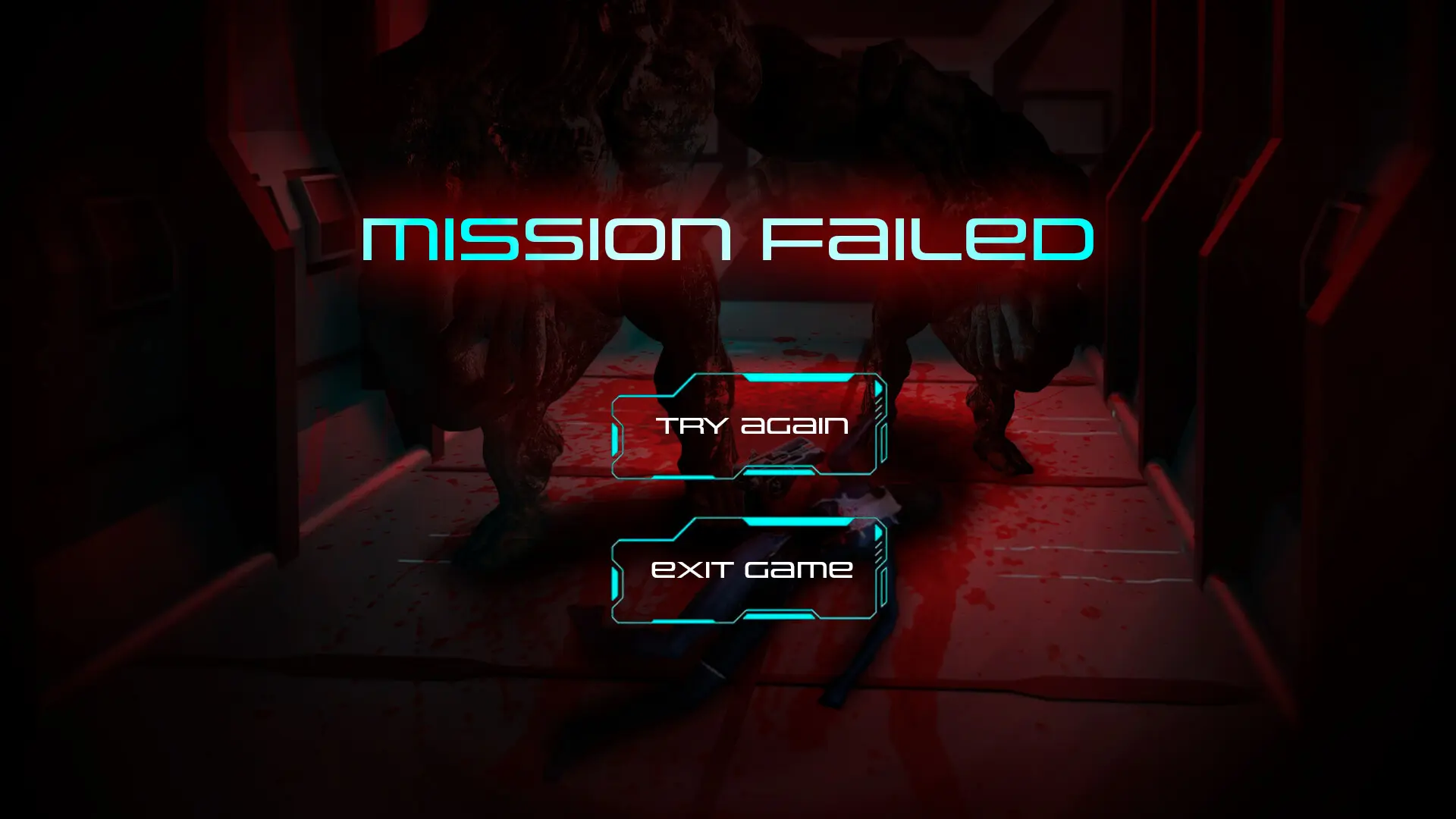
Fail states can be divided into total and partial forms. Total fail states end the current attempt entirely, such as a full Game Over condition. Partial fail states allow progression to continue, but under negative consequences such as resource loss, time penalties, or restricted access to content.
They can also be temporary or permanent. Temporary fail states allow immediate recovery, while permanent fail states create irreversible consequences. The choice depends on genre, target audience, and the broader design philosophy of the game.
Fail States and Difficulty Design
Difficulty is not determined by how often failure occurs, but by the quality of that failure. A game with frequent but fair fail states may feel demanding yet satisfying. A game with rare but unclear fail states often becomes frustrating. The design should account for gradual escalation of consequences. In early stages, fail states serve an instructional role. In later stages, they become evaluative, testing whether the player has truly understood and mastered the systems.
Fail States, Feedback, and Readability
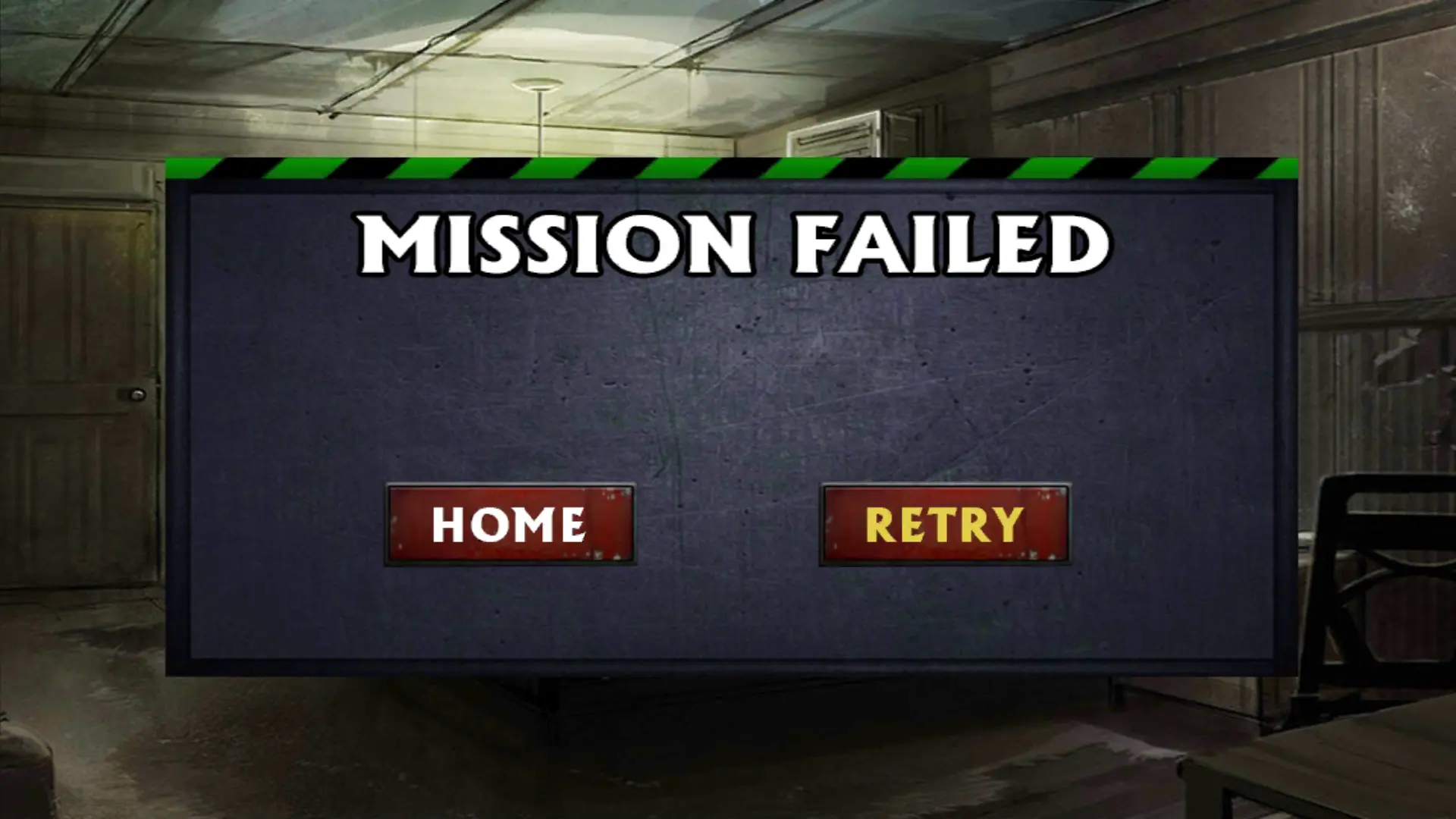
Every fail state must be supported by clear feedback. The player needs to understand what went wrong, which system triggered the consequence, and how to avoid repeating the same mistake. Failure without explanation is not challenge. It is noise. Visual, audio, and systemic signals should prepare the player before failure occurs, not only explain it afterward.
The Psychological Role of Fail States
Fail states directly shape the emotional profile of a game. They can generate tension, anxiety, fear, or a sense of responsibility. In some games, failure is integrated into the narrative itself and reinforces the thematic identity of the experience. A designer must decide whether failure is intended to be punitive, instructional, or narrative-driven. That decision must remain consistent with all other design pillars.
Common Fail-State Design Mistakes
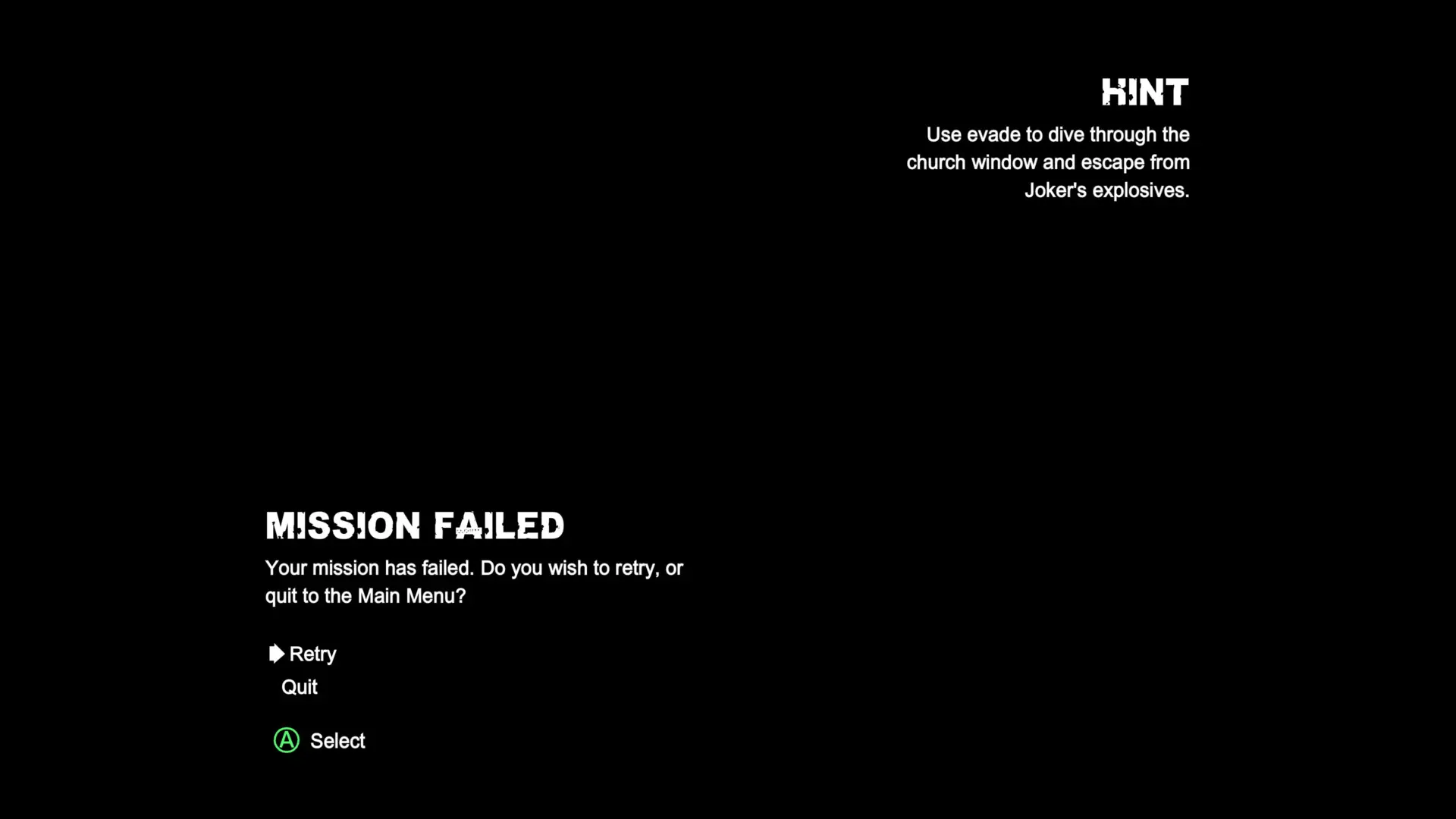
One of the most common mistakes is arbitrary failure, where the player lacks sufficient information to avoid it. Another frequent issue is excessive punishment, which breaks the gameplay loop and weakens the reward cycle instead of reinforcing it. Equally problematic are games where fail states are effectively absent. When failure is impossible or insignificant, tension disappears and player commitment weakens.
Meta-Level Fail States and Save Systems
Beyond immediate gameplay, many fail states operate on a meta level, affecting the structure of the overall experience rather than just the current attempt. Save systems, checkpoints, auto-saves, and permadeath are not technical conveniences. They are deliberate design choices that determine how expensive failure becomes.
The frequency and structure of saving define whether failure is reversible or leaves a lasting mark. A generous checkpoint system reduces risk and encourages experimentation. By contrast, ironman modes and limited-save structures transform every failure into a strategic event with long-term consequences. What matters most is consistency. The save system must align fully with the primary objectives and the intended tension level of the experience.
Soft Fail States and Failure Without Game Over
Not every failure leads to termination. Soft fail states represent a more modern and flexible design approach in which the game allows progression to continue, but under worsened conditions. This may involve resource loss, world-state changes, locked options, or a weakened player position within the system.
These fail states keep the gameplay loop active while still preserving the weight of decision-making. Failure does not stop the game, but changes its parameters. This increases tension without abruptly breaking pacing and strengthens the sense of continuity and responsibility.
Fail States as a Learning and Onboarding Tool

In the early stages of a game, fail states often function as deliberate teaching tools. A designer may create controlled failure conditions where the player fails without severe cost, but gains critical information about system rules.
These controlled fail states help players understand the limits of player actions, the meaning of objectives, and the consequences of choices before the game raises the stakes. When failure is used methodically during onboarding, it stops being an obstacle and becomes a guidance mechanism that prepares players for more demanding systems later.
Conclusion
Fail states are not simply failure mechanics. They are a foundational design tool that defines risk, decision weight, and gameplay coherence. Together with player actions, primary objectives, and the reward cycle, they shape an experience in which success matters because failure carries consequences. When designed correctly and aligned with the core pillars of game design, fail states transform failure from an obstacle into an essential part of the experience.
That is why every serious game treats fail states not as a necessary inconvenience, but as a structural component of its design system.