
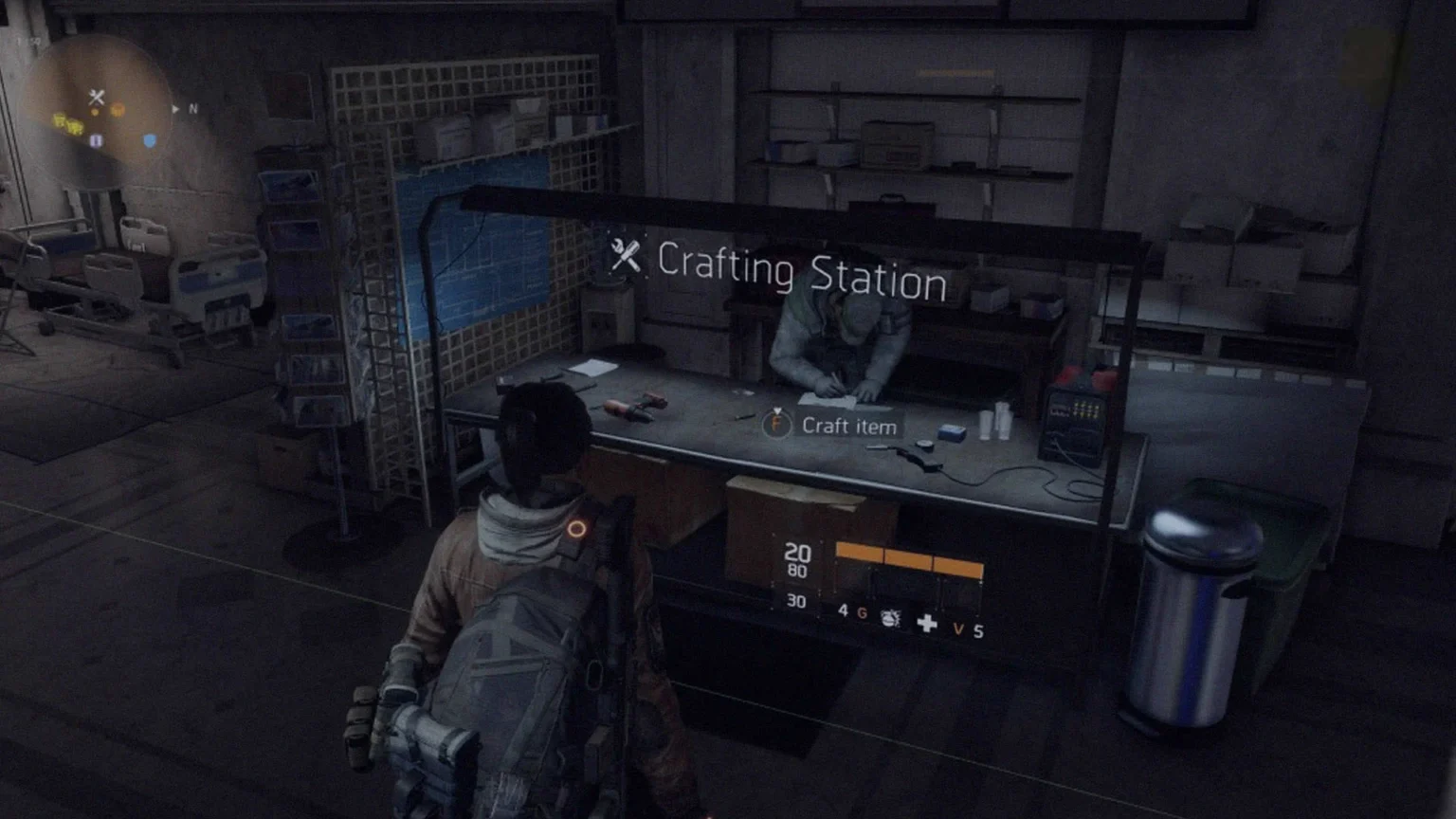
The crafting system in game design is one of those design components that is very often included in a game simply because “it has to be there.” And that is exactly where the problem begins. In far too many modern games, crafting does not function as an organic system that generates decisions, pacing, and strategy, but rather as mechanical friction, menu overhead, and an artificial extension of playtime. The player gathers materials without thinking, unlocks recipes without remembering them, and crafts items not because the system produces meaningful choices, but because the game requires a few extra button presses before returning to what actually matters.
When designed correctly, however, a crafting system can become one of the most powerful mechanisms for player agency, economic balance, risk management, planning, and overall game identity. It can define how you prepare, survive, invest, experiment, and ultimately interpret the game world. It is not simply a feature for producing items. It is a system that transforms raw input into meaning.
In this article, we analyze the crafting system as a core game design pillar. Not as a decorative feature and not as a checklist mechanic, but as a fully structured systemic domain with its own rules, dependencies, flow, pacing, economic consequences, and clearly defined role within the broader design of a game.
What a Crafting System Actually Is
At a technical level, a crafting system in game design is the set of rules through which the player transforms available resources into new outputs. These outputs may include items, equipment, consumables, structures, upgrades, ammo, traps, vehicles, building components, or even meta-systems such as unlocks and production chains.
This definition seems simple, but it is incomplete if we stop there. At its core, a crafting system is a mechanism that transforms three things. It converts scarcity into decision-making, time into value, and knowledge into advantage. Whether this transformation is meaningful or purely mechanical is what separates strong design from filler design.
A well-designed crafting system does not only answer the question “what can I craft.” It must also answer the following. Why should I craft this now. What do I sacrifice to craft it. How does the state of the game change because I chose this recipe over another. If there are no meaningful answers to these questions, then the system does not carry real design weight. It is simply a conversion table.
The Design Role of Crafting Within a Game
One of the biggest mistakes is treating crafting as an isolated feature. In practice, it is never isolated. Crafting is a system hub. It connects directly with exploration, economy, progression, combat readiness, resource loops, survival pressure, inventory management, pacing, and world logic.
In a survival game, crafting typically functions as a mechanism for immediate survival and long-term stabilization. In an RPG, it can support build identity, specialization, and loot differentiation. In a sandbox environment, it may act as the primary language of player expression. In a colony sim or strategy game, it becomes production architecture. In an immersive sim, it can provide alternative problem-solving approaches through fabrication, trap construction, or item synthesis.
Therefore, the correct design question is not “should we include crafting.” The correct question is “what need does crafting serve and what systemic gap does it fill.” If there is no clear answer, crafting risks becoming noise.
The Core Structural Layers of a Crafting System in game design
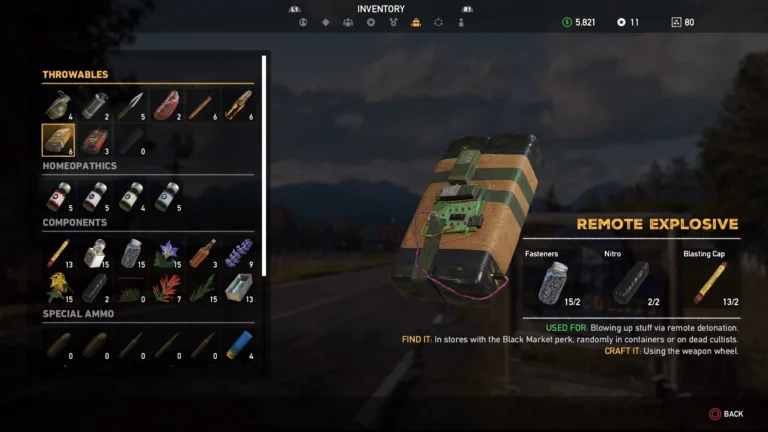
Every crafting system, regardless of its simplicity or complexity, is built on a set of fundamental layers. First comes the input layer, which includes resources, materials, components, their scarcity, their distribution in the world, and the difficulty of acquiring them. Then comes the transformation layer, which includes recipes, combination rules, requirements such as tools, stations, skills, or conditions. Next is the output layer, which defines what is produced, with what quality, with what variability, and with what practical value. Finally, there is the cost layer, which is just as critical and includes time, inventory space, acquisition risk, opportunity cost, accessibility, attention cost, and potential failure.
This means that a crafting system is not evaluated by the number of recipes it contains. It is evaluated by how effectively these layers are connected. You can have hundreds of recipes and still have a shallow system. You can have twenty and achieve depth, if each one produces meaningful differentiation.
Materials Are Not Just Resources, They Are Design Language
The way materials are distributed across the game world is foundational to crafting design. If all materials are found everywhere, acquisition stops being a decision and becomes routine. If, on the other hand, everything is excessively rare or poorly communicated, the system produces frustration instead of tension.
Material distribution must serve the pacing of the game. Resources tied to immediate survival should exist in controlled accessibility, so the player is not disproportionately punished. High-tier materials should require more deliberate effort, higher risk, or greater time investment. The goal is not artificial difficulty. The goal is clarity and strategic relevance.
This is where material identity becomes critical. A strong crafting system does not flood the player with multiple variations of “scrap,” “fiber,” or “parts” without distinction. Every material must have a clear role, a logical origin, and a defined place in the player’s mental model. If the player cannot remember what each material does, the system is already breaking down at the level of readability.
Resource Gathering and Gameplay Friction
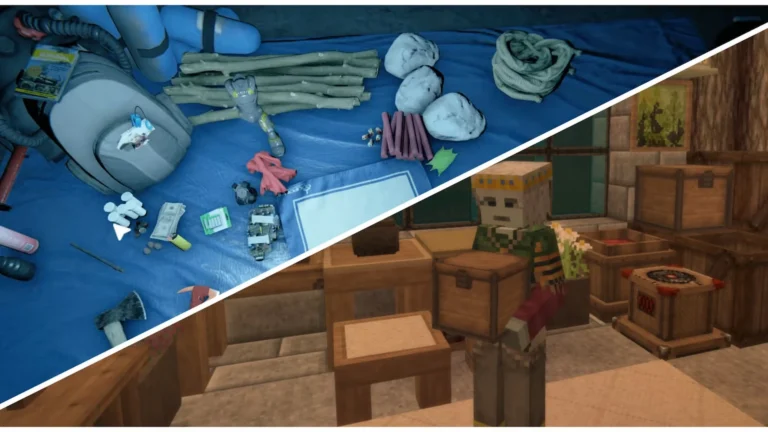
The harvesting or looting loop is often the player’s first point of contact with the crafting system. If that interaction is dull, repetitive, or meaningless, the entire crafting experience inherits that weakness. Crafting does not begin in the menu. It begins the moment the game asks the player to acquire the first raw material.
There are games where resource gathering is a distinct strategic activity on its own. There are others where it functions as a background process. Both approaches can work, as long as they are intentional. If you want gathering to be a meaningful loop, it must include spatial logic, risk, route planning, potential competition, environmental dependency, or tool requirements. If you want it to be lightweight, friction must remain low, so the player does not feel like they are wasting time on chores.
The classic design failure here is compulsory busywork. The game forces continuous collection of low-value materials simply to sustain an artificial activity loop. That is not engagement. It is administrative labor disguised as gameplay.
Recipes: The Core Unit of Decision-Making
Recipes are not simple lists of ingredients. They are decision units. Each recipe is a design statement about what the game considers valuable, expensive, accessible, or strategically impactful.
A well-designed recipe must have clear internal logic. The player should understand, at least intuitively, why specific materials are required and why the resulting output justifies the cost. If a recipe feels arbitrary, the experience becomes fragmented. If all recipes are numerically similar and produce no meaningful consequences, the crafting system becomes flat.
Another critical aspect is the distinction between obvious recipes and emergent recipes. Obvious recipes are fully defined, explicitly unlocked, and executed through clear instruction. Emergent recipes rely more on discovery, experimentation, or systemic rules. The first approach offers clarity and control. The second enhances agency, discovery, and mastery. Neither is inherently superior, but each supports a different design direction.
In more complex systems, designers may introduce multi-layered dependencies. Intermediate goods, sub-components, refined materials, catalysts, station requirements, or skill thresholds can add depth. However, only up to a point. Beyond that, complexity quickly turns into management overhead. The question is not whether you can add more steps. The question is whether each step adds meaningful decision-making.
Output Design and the Value of Crafted Items
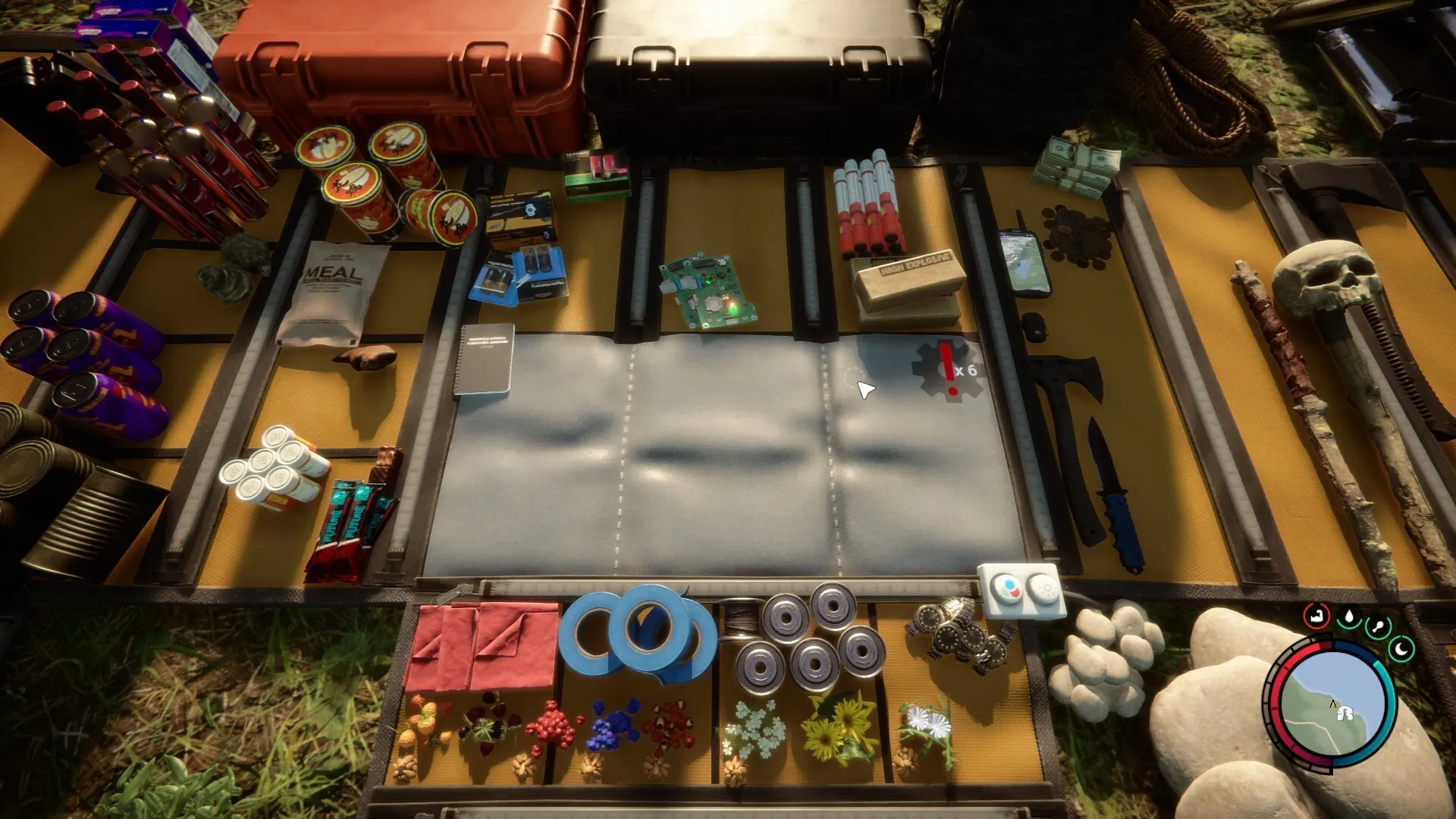
Crafting fails immediately when its outputs lack real value. If the player can obtain better items more easily through loot, vendors, or quest rewards, crafting becomes redundant. If crafted gear consistently surpasses everything else too early, overall balance collapses.
The value of crafted outputs can come from multiple axes. It can be raw power, rarity, customization, reliability, adaptability to specific builds, speed of production in critical moments, or simple self-sufficiency when other systems are unreliable. The important factor is that there must be a clear reason for its existence.
This is also where a major balancing issue appears. Crafted outputs do not need to be “the best.” They need to be “the right choice” within a specific decision context. A consumable that saves a difficult encounter, an ammo type that changes how you approach enemies, or a utility tool that unlocks new traversal options can be far more meaningful than a weapon with slightly higher damage.
Crafting and Progression Are Not the Same Thing
Designers, and even more often production pipelines, tend to conflate crafting with progression. Yes, crafting can act as a vehicle for progression. But it is not the progression system itself. This distinction must remain clear.
The progression system defines how player capability evolves over time. The crafting system defines how the player transforms inputs into usable outputs. The two systems intersect when crafting unlocks tiers, upgrades, specialization, or production pathways. However, if crafting becomes the sole progression path, it risks limiting variety. If it is completely disconnected, it risks feeling optional and irrelevant.
Proper design usually requires controlled interdependence. Progression should enhance crafting through better recipes, higher efficiency, access to new production categories, or reduced costs. Crafting, in turn, should support progression by providing tools, options, and variations, not just numerical upgrades.
Crafting and the Economy System in game design
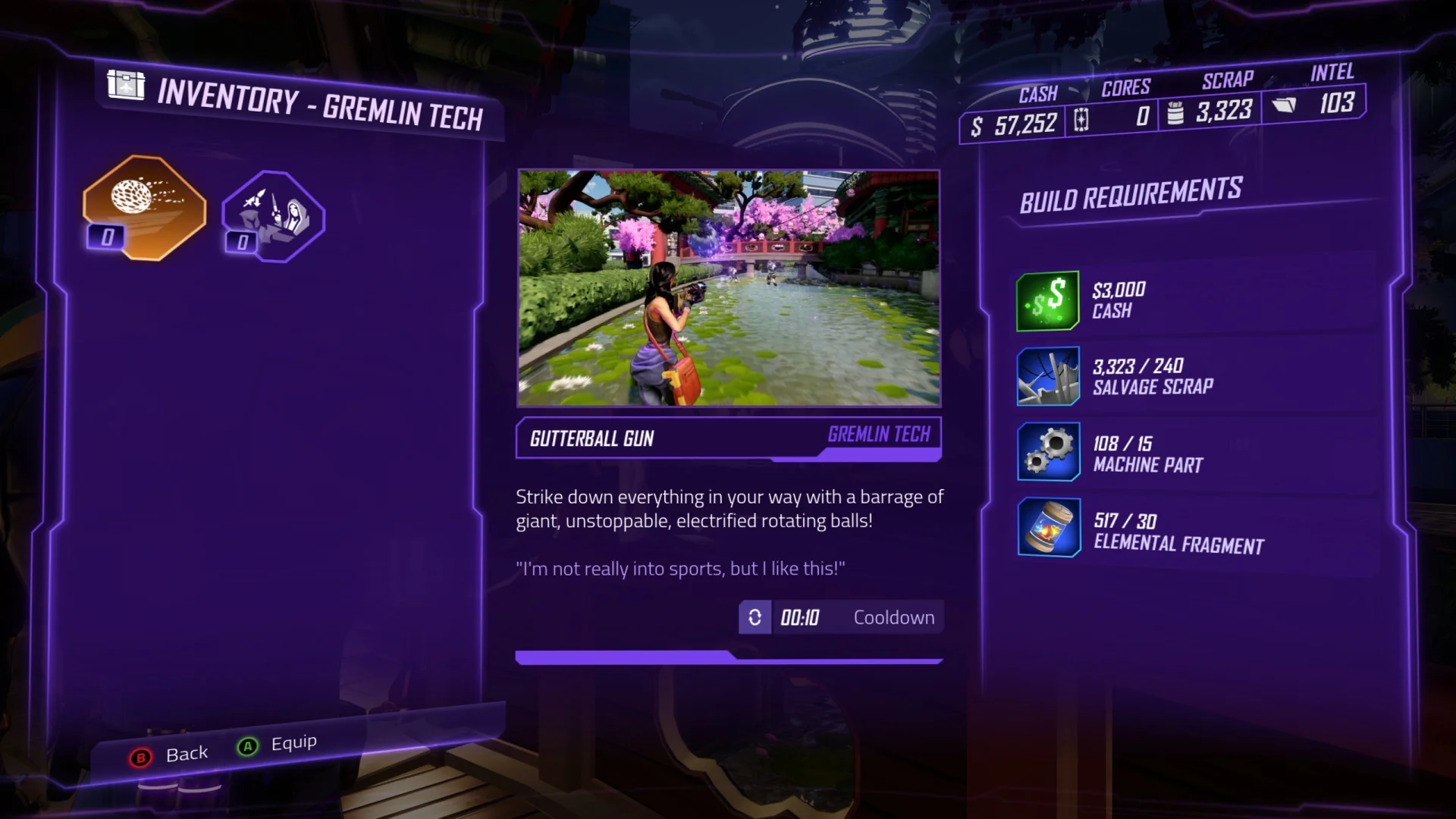
A crafting system cannot be properly designed in isolation from the game’s economy. In reality, every crafting system is an economic system of value transformation.
Every material, recipe, and output carries both internal and external economic significance. Internal value refers to effort, time, and strategic cost. External value relates to vendors, loot tables, drop rates, repair loops, trading systems, or broader market structures.
If a game allows players to easily purchase finished items at minimal cost, crafting must provide a different kind of value. If crafting allows efficient production and resale for high profit, it can break the entire economy. If materials and currencies are loosely connected, players will quickly find dominant strategies and the system will lose tension.
In multiplayer or online environments, this becomes even more complex. Crafting affects not only individual progression but also market dynamics, role specialization, scarcity, and the circulation of power across the player base.
Crafting as a Tool for Agency and Build Expression
One of the strongest aspects of crafting is its ability to let the player actively shape how they play. Not just by obtaining better gear, but by constructing the tools that align with their strategy.
This works best when crafting produces meaningful variation rather than linear upgrades. Different ammo types, elemental infusions, traps, tools, resistances, stealth consumables, scouting devices, healing trade-offs, or specialized utilities can all influence player behavior.
When the system offers choices that alter how the player approaches the game, rather than simply increasing stats, it gains real design weight. If all players craft the same items in the same order, the system has failed as a tool of expression.
The Relationship Between Crafting system and Exploration in game design
In many games, crafting and exploration are tightly interconnected. Players explore to find materials, blueprints, stations, or rare components, and then use those discoveries to expand their capabilities. This loop can be extremely powerful when each new area or biome does not just change the visual environment, but also alters production logic.
The strongest connection between exploration and crafting occurs when the world “speaks” through its resources. Each region has its own material identity, each environment offers specific opportunities, and each discovery opens new production possibilities. In that case, exploration is not tourism. It is strategic and economic expansion.
Weak design, on the other hand, reduces exploration to blind collection of scattered materials without pattern, logic, or environmental storytelling. At that point, the player is not exploring. They are vacuuming the map.
Survival Pressure and Crafting Under Tension
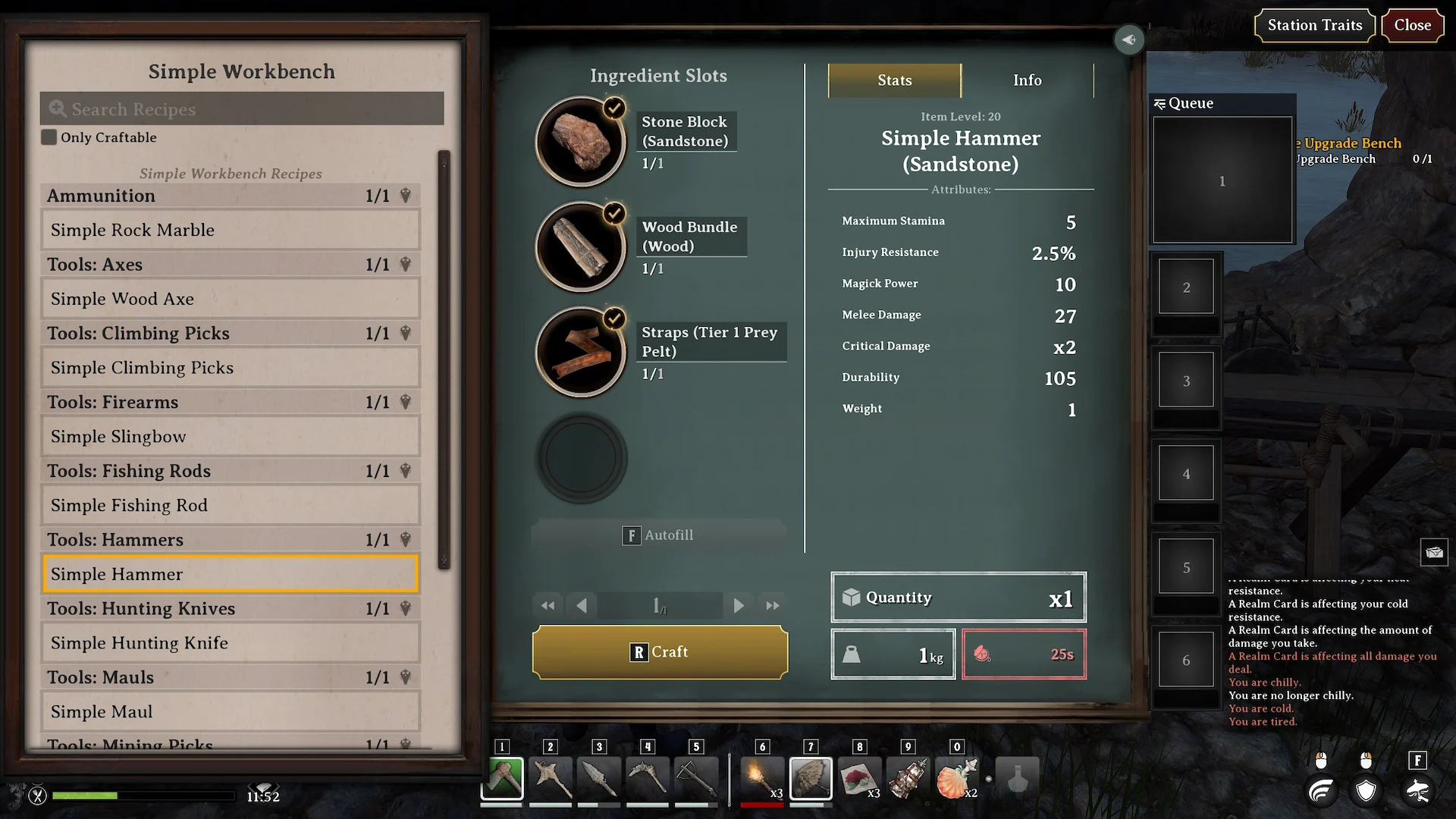
Crafting takes on a completely different role when placed within a survival framework. It stops being a creative system and becomes a tool for immediate risk management. Deciding whether to craft bandages, water filters, ammunition, fire sources, shelter components, or antidotes is no longer optimization. It is a life-or-death decision within the system.
In this context, crafting must support tension without undermining it. If players can easily produce everything they need, survival loses its weight. If crafting is too slow or restrictive, it disrupts flow and becomes punitive.
Effective survival crafting creates decisions around scarcity, prioritization, and timing. Not around excessive menus filled with recipes that are unlocked mechanically.
Accessibility, Readability, and UI/UX Design
A crafting system can be theoretically well-balanced and still fail completely due to poor communication. Information presentation is part of the design, not a secondary layer.
The player must quickly understand what they have, what they are missing, what they can craft, what the cost is, where to find materials, and what the result actually does. When UI hides critical information, categories are chaotic, or materials lack clear visual identity, the system becomes inaccessible without actually being deep.
Readability does not mean simplicity. It means allowing players to think strategically instead of fighting the interface. A good crafting UI reduces cognitive friction where it adds no value and preserves complexity where it generates meaningful decisions.
Stations, Tools, and the Spatial Dimension of Crafting
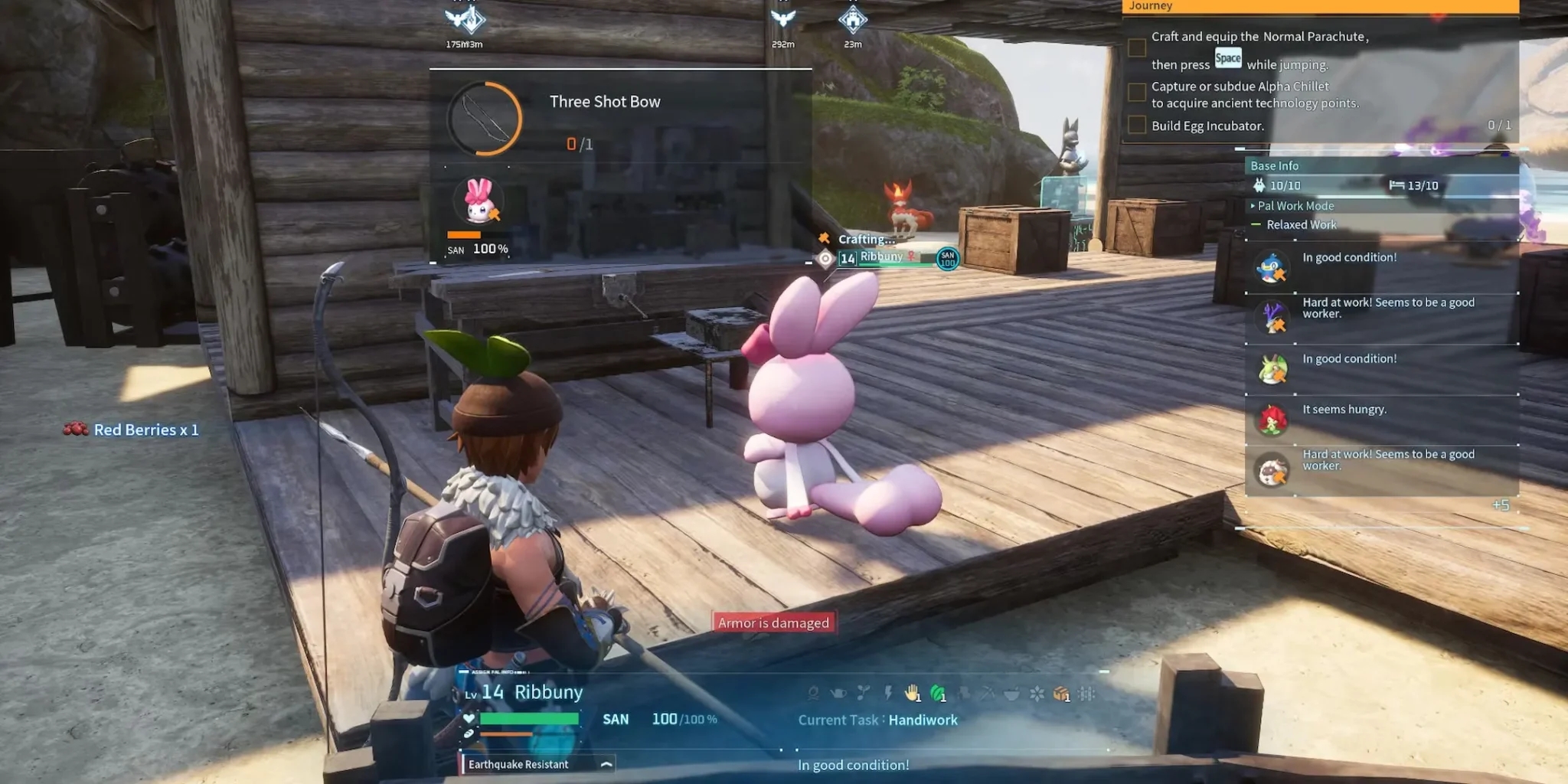
Crafting can be instant, portable, and universally accessible, or it can require specific locations such as workbenches, furnaces, alchemy tables, workshops, or fabrication rooms. This choice significantly impacts pacing.
Portable crafting emphasizes flexibility and rapid response. Station-based crafting introduces spatial weight, logistics, and planning. The player must return to base, manage resources, and invest in infrastructure.
Neither approach is inherently better. The key is alignment with the game’s core design. High-mobility games benefit from flexible crafting. Systems built around base-building and production chains require spatial structure.
Complexity Versus Depth
This is one of the most common design misconceptions. Complexity is not the same as depth. More materials, more recipes, more intermediate steps, and more menus do not automatically improve the system.
Depth emerges when the system creates meaningful decisions with clear consequences. When players must choose between competing uses of the same resources. When timing matters. When knowledge improves outcomes. Complexity without purpose results in fatigue. Depth creates engagement.
Failure States and Balance
Not all crafting systems include failure states, but when they do, those states must have a clear purpose. Failure chance, reduced quality outputs, material loss, tool degradation, or imperfect results can add tension, but only if they are integrated properly.
If failure feels random or unfair, players perceive the system as punishing. If it is too mild, it becomes irrelevant. If it is tied to skill, preparation, or system understanding, it can enhance depth. Failure must be readable, justified, and predictable.
Crafting system and Worldbuilding in game design
Crafting is not only a mechanical system. It is also a worldbuilding tool. The way a game allows players to create objects reflects its technological level, social structure, resource scarcity, and survival logic.
A post-apocalyptic crafting system based on salvaged materials communicates something entirely different from a fantasy alchemy system or a sci-fi industrial production chain. If crafting does not align with the world, it feels disconnected. Consistency strengthens both immersion and system comprehension.
Common Crafting Design Mistakes
One major mistake is including crafting without necessity. Another is material inflation, where the system overwhelms players with indistinct resources. Weak outputs, poor effort-reward balance, and lack of integration with other systems are also common failures. Over-automation is another issue. When everything becomes too convenient, decision-making disappears. A system without meaningful friction loses its purpose.
How to Recognize a Well-Designed Crafting System in game design
A well-designed crafting system is one that players think about strategically. They remember materials because they matter. They plan what to craft before opening the menu. Scarcity creates tension. Outcomes influence behavior. A strong indicator is how players talk about the system. If they describe it in terms of decisions and planning, it works. If they describe it as a chore, it does not.
Crafting System as a Design Statement in a game
Crafting is never neutral. Every choice around materials, recipes, outputs, stations, UI, and economy communicates what kind of game you are building. It defines whether the experience emphasizes preparation or improvisation, control or uncertainty, specialization or accessibility. For that reason, crafting should not be treated as a late-stage feature. It should be designed early as a core systemic layer, especially when it influences pacing, economy, exploration, and progression.
Conclusion
A crafting system is not about producing items. It is about producing decisions. It defines value, cost, preparation, and knowledge within the game’s ecosystem. When poorly implemented, it becomes maintenance overhead. When properly designed, it becomes one of the strongest drivers of systemic depth in game design.