
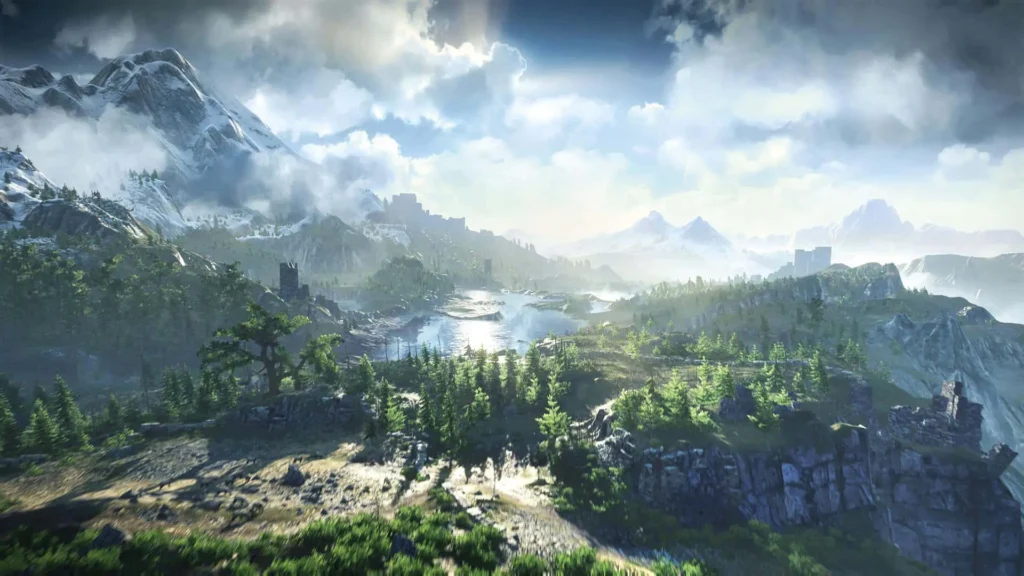
Content density is the invisible parameter that defines pacing, exploration, and the stability of the design loop. The discussion around open-world games has been stuck for years on the same flawed criterion. Map size, “hours of content”, number of activities. In practice, however, the player does not experience a world as square kilometers. They experience it as a rhythm of engagement. As a sequence of moments that demand attention, choice, and action. When those moments become too sparse, the world starts to feel larger than it should, not because it is enormous, but because time inside it develops gaps. This is where content density comes in. Not as a marketing term, but as a design parameter that determines whether the world functions as a system or as scenery. Content density in open-world games is not “how much content the game has”. It is “how often the world turns into gameplay”.
What content density measures, and what it does not measure, in open-world games
Content density is the ratio between space, time, and the frequency of meaningful interaction. It has nothing to do with how many icons appear on the map, or with the number of side quests. A world can be full of markers and still make you feel that nothing is really happening, because most of its tasks are functionally identical. In essence, density measures how often the player enters a state of decision-making and engagement, instead of simply being in a state of movement.
This means that content density is not just a spatial concept. It is also a temporal one. If, in every ten minutes of gameplay, you have two moments that require meaningful choice, then time feels “filled”. If you have only one, then time starts to “drag”. The same applies spatially. What matters is not how far away the next point of interest is, but what happens along the way and whether the journey itself has a role, either mechanically or conceptually.
Content density: density of content vs density of information
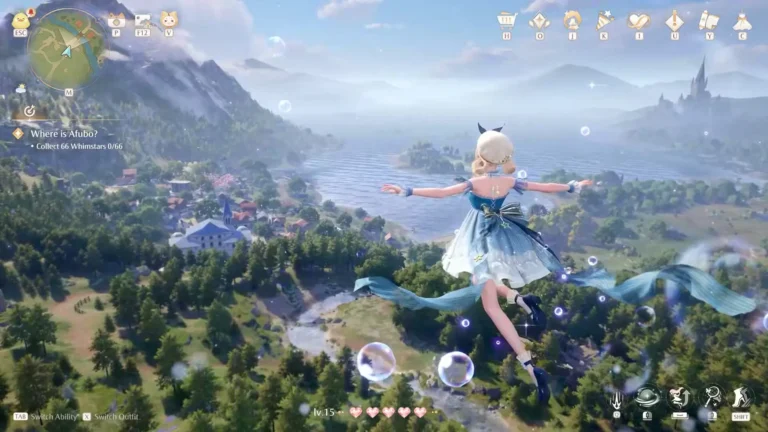
There is a subtle but crucial distinction here. Content density is not the same thing as information density. Many open-world games have high information density, meaning constant UI feedback, markers, waypoints, notifications, collectibles, and “nearby activity” prompts. This creates the illusion that the world is full. However, if the gameplay produced by all of this is repetitive, then the real content density remains low. The player is constantly being told that “there are things to do”, but they do not experience an equivalent variety in decisions, risk, and mechanical demands.
At a systems level, this is problematic because the UI starts functioning as a substitute for design. If you constantly need signals to keep the player alert, then the world does not stand on its own. It does not generate interest by itself. And an open-world game, ideally, should be able to do exactly that.
Content density and pacing in open-world games
Pacing in an open-world game does not break because “the world is large”. It breaks when the game cannot manage the transitions between intensity and calm. Calm is useful when it works as decompression and preparation. It becomes a problem when it functions as emptiness.
When content density drops, the experience gains long dead intervals where the player is not asked to observe, plan, decide, or adapt. They simply move until the game “starts again”. This phenomenon is the main reason pacing collapses, as already discussed in your article “When Open-world Kills Pacing”. There, it becomes clear that pacing is not a matter of action, but a matter of engagement frequency. Density is the regulator of that frequency. The sparser the meaningful moments become, the more the game turns into a travel simulator between isolated peaks.
Content density and the open-world design loop: the stability of the cycle
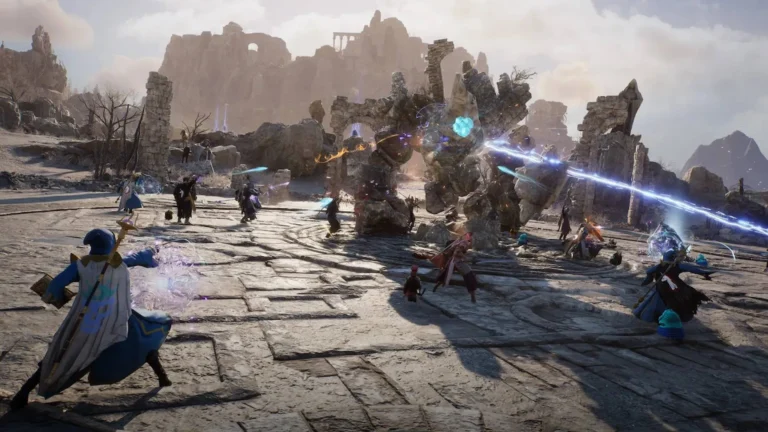
Every open-world game that truly works is built on a repeating cycle. The player explores with expectation. Something engages them. They receive a reward. That reward creates a new goal or a new ability. And the cycle continues.
Content density determines whether this cycle remains stable or falls apart. If exploration does not produce engagement often enough, the player stops exploring. If engagement does not produce a reward that opens up new options, the player loses motivation. If the reward does not affect the world or the way you play, then the cycle becomes shallow. The open-world design loop, meaning the “architecture of success” in an open-world game, depends on one simple condition. There must not be long intervals where the world stops being a system and becomes scenery.
In systemic design terms, content density functions as a “feedback rhythm”. The sparser the feedback, the easier it is for the player to fall out of engagement. And once that happens, it is difficult to bring them back without resorting to crude solutions, such as excessive markers, forced encounters, or artificial gating.
The trap of the “full map”: activities without mechanical identity
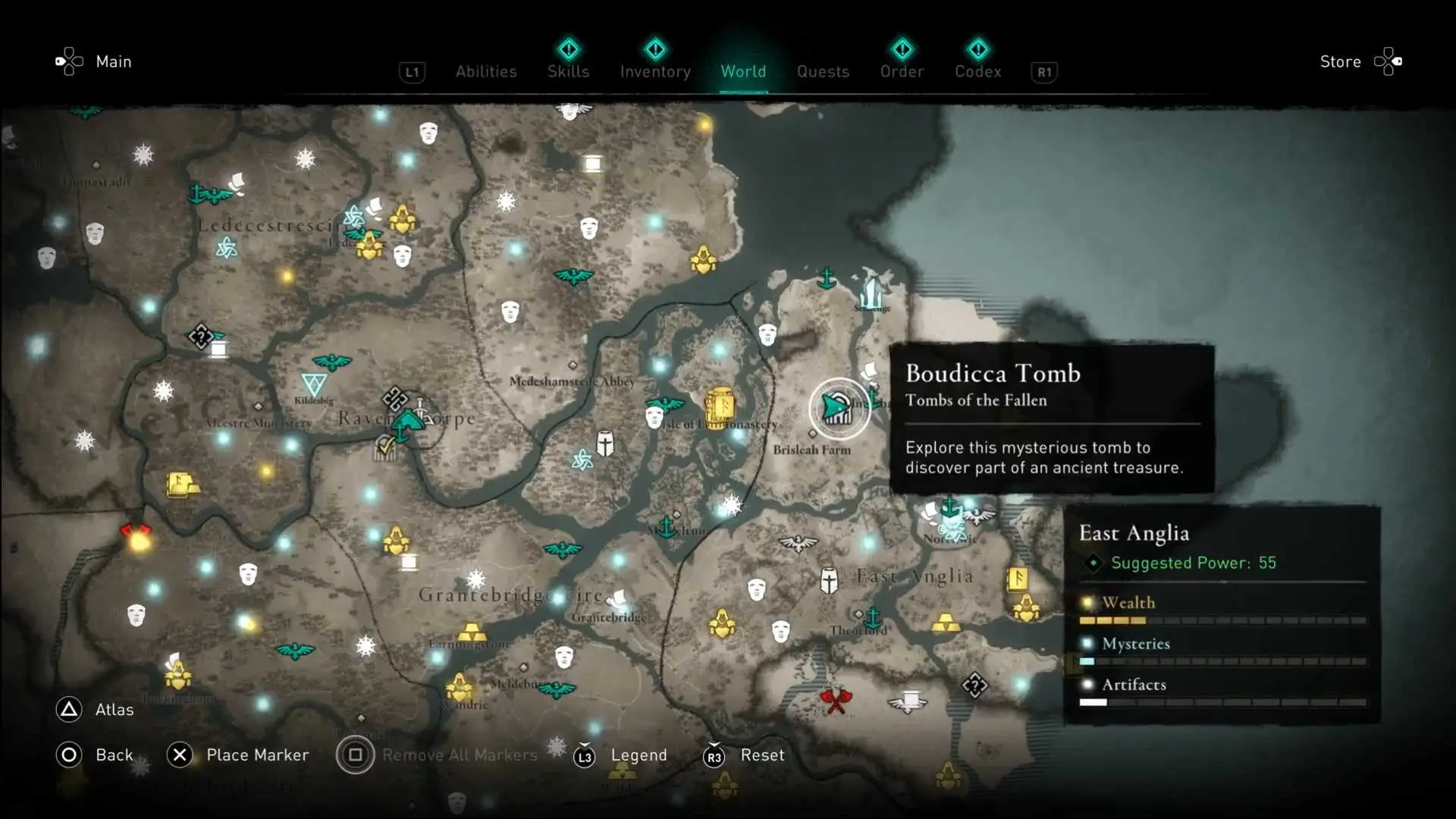
A map can be full of tasks and still have low content density. This happens when the activities lack mechanical identity. The wrapping changes, but the decision does not. If the player solves the same problem in the same way ten times, then, from a design perspective, this is not ten different experiences. It is one repeated experience. Designers often underestimate this point because they measure content in production terms, number of quests, number of outposts, number of collectibles. The player, however, measures it in psychological terms. How often were they asked to do something new, something that changed the way they think and play?
When density is low, the world feels “thin” even if it is full of markers, because the experience does not differentiate itself. The result is the familiar kind of fatigue that does not exactly feel like boredom. It feels like repetition without evolution.
Density, traversal, and the role of distance as gameplay
This is one of the most misunderstood points. Distance is not a problem by itself. Distance becomes a problem when it is “dead”. If traversal has mechanical interest, if it includes risk, if it requires resource management, or if it creates small tactical decisions, then movement is not empty space. It is gameplay.
In games where traversal is simply linear movement from waypoint to waypoint, every additional meter of distance removes value. It does not add value. From a design perspective, this means that content density cannot be examined separately from the movement model and the friction between the player and the world. A world with high traversal friction requires higher density in order not to become exhausting. A world with fast and enjoyable movement can tolerate lower density, but only up to a point, because even the best movement becomes routine when it does not serve a purpose.
Density and exploration: the difference between “discovery” and “collection”
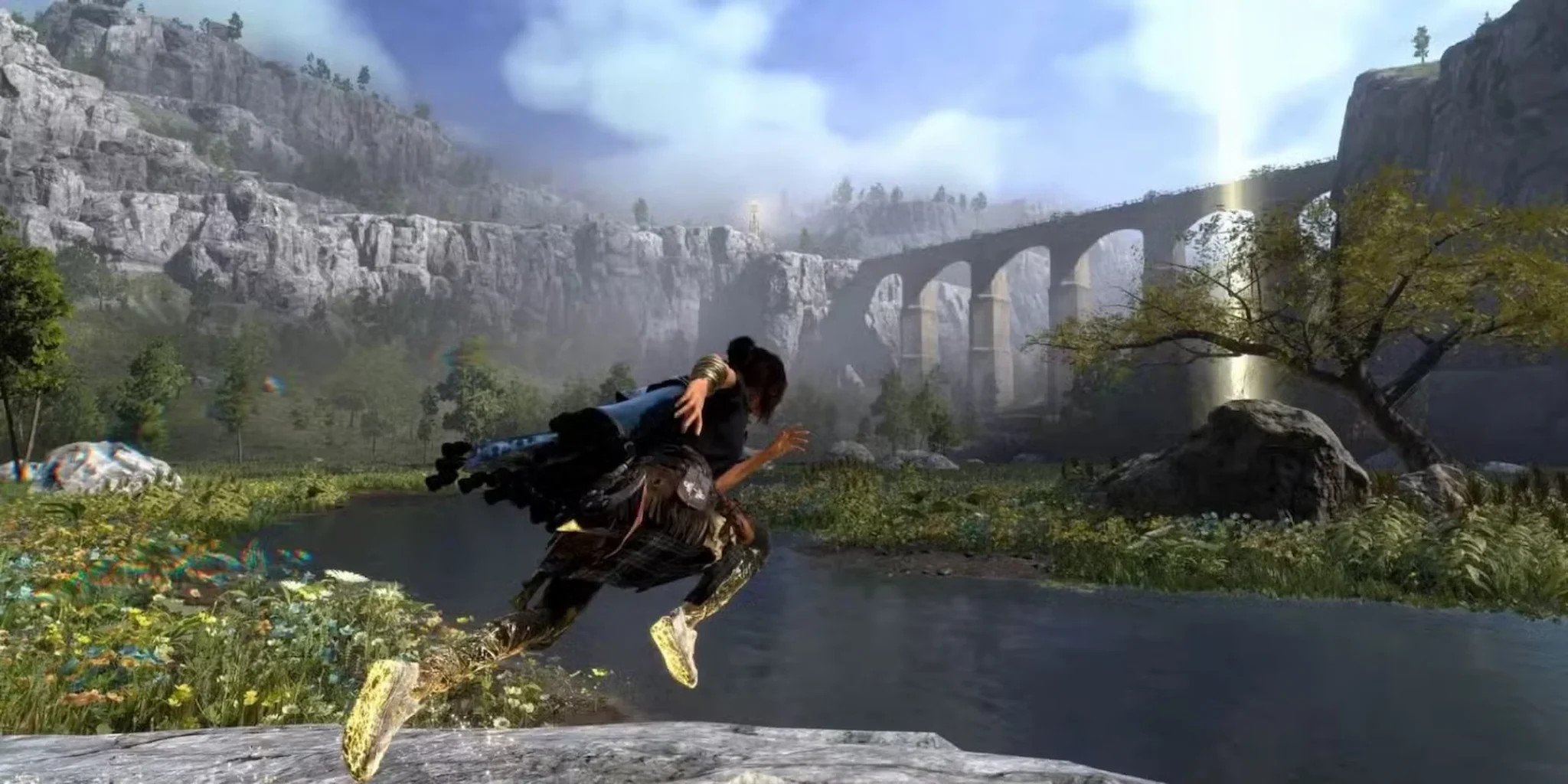
Exploration is at the core of the open-world format, but it is often reduced to collection. When density is poorly designed, “discovery” becomes predictable. The player knows that at the end of the route there will be a chest, a collectible, or a small encounter with no consequences. That is not discovery. That is a checklist.
Meaningful exploration requires uncertainty and the possibility that something may change along your path. This requires density not as quantity, but as a designed probability of meaningful deviation. The more often the world gives you a reason to diverge and improvise, the more “alive” it feels. The more rarely this happens, the more the world becomes a simple corridor.
Content density as a measure of respect for the player’s time
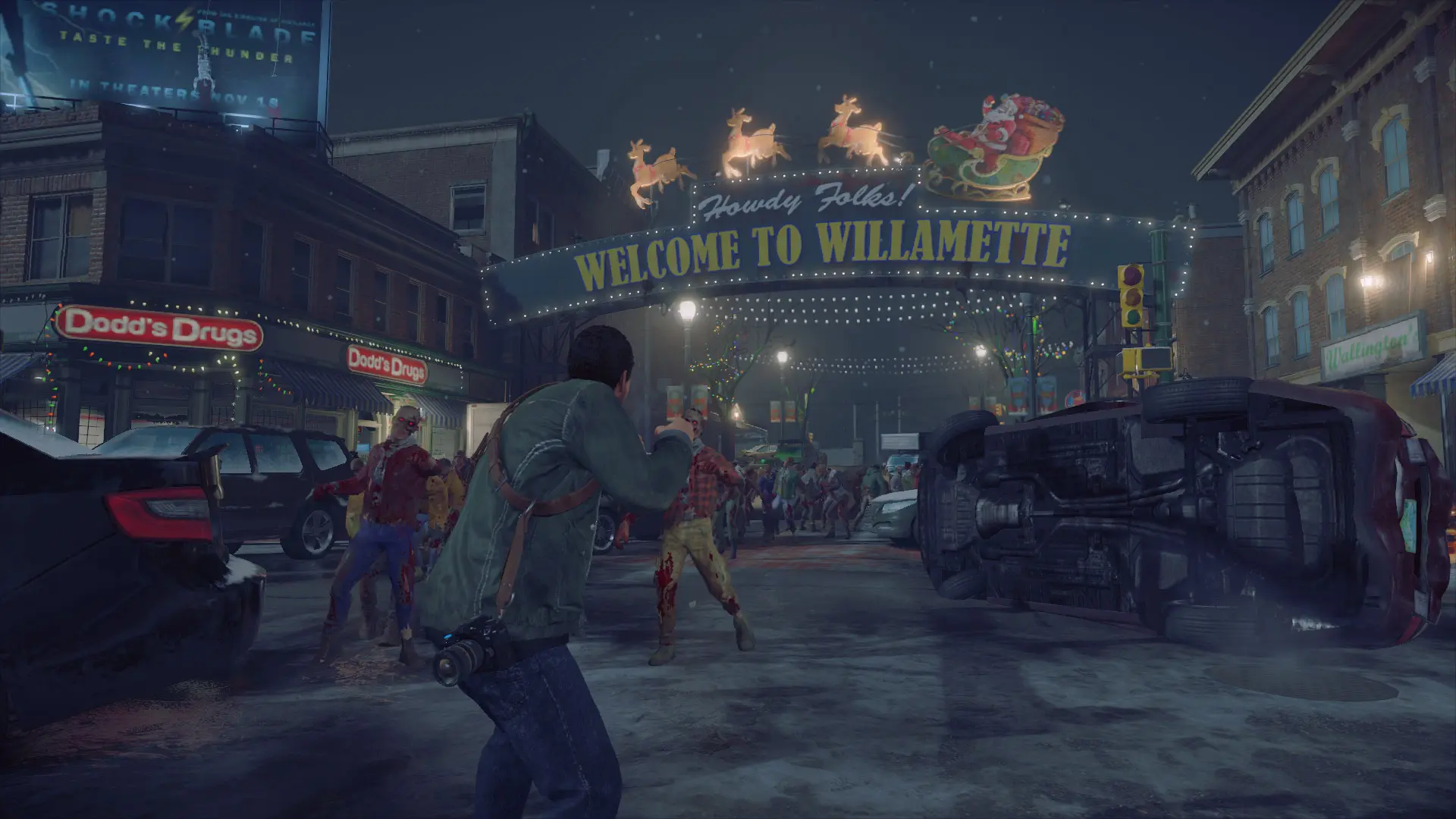
The harshest conclusion is also the clearest. Content density is a measure of respect. Open-world games with low content density ask the player for time without giving them a corresponding experience in return. And that is not “immersive”. It is padding. For years, the industry dressed up padding as “freedom”. Today, players recognize it faster than ever, because they have already seen dozens of variations of the same pattern.
The player does not remember that a map was 200 km². They remember how many times, inside that map, they felt that something depended on them. Density is the frequency of those moments.
Conclusion: density is the connective tissue between pacing and loop
If we want to talk seriously about open-world design, it is not enough to talk about size, content, or the number of activities. We need to talk about how often the world produces gameplay, and whether that gameplay has mechanical and conceptual identity. Content density is the parameter that directly connects pacing with the stability of the open-world design loop. When it is designed properly, the world has rhythm, cohesion, and a reason to exist. When it is designed poorly, even the most impressive map turns into a burden, not because it is large, but because it is empty in the most insidious way. Empty of decisions, of risk, of consequences, of real interaction.
And that is where an open-world game does not simply become tiring. It starts disconnecting the player from its own system. And once that connection is lost, no map size, no number of icons, and no “100+ hours of content” can buy it back.