
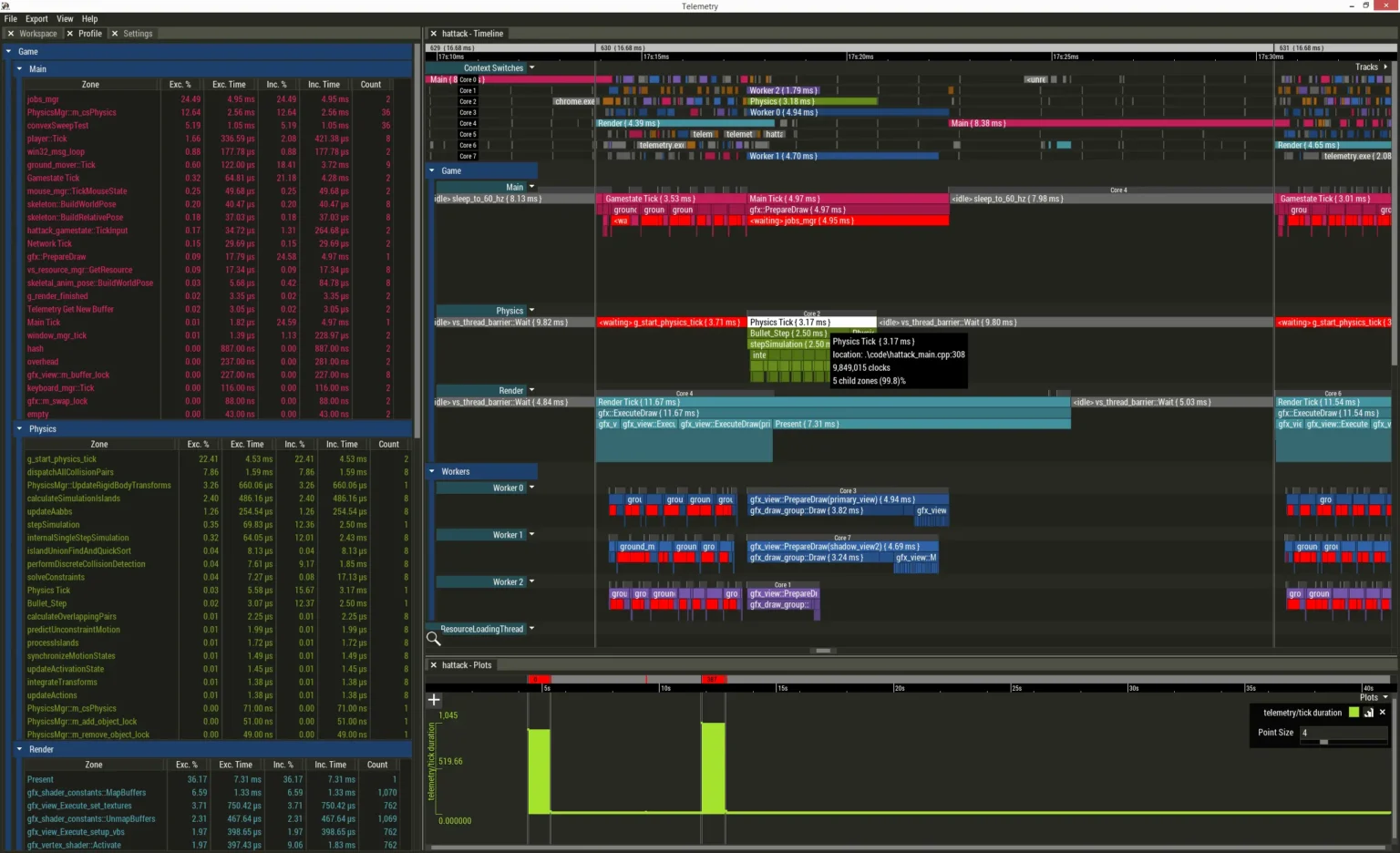
What It Is and How It Shapes Gameplay Systems
In modern games, audio has long moved beyond functioning as atmosphere or emotional reinforcement. It now operates as a carrier of information, with audio telemetry emerging as a critical tool for understanding how sound functions within gameplay, not as decoration, but as a systemic layer of communication in games.
Sound no longer passively accompanies the experience. It delivers signals, warnings, and feedback that directly influence player decisions, pacing, and real-time reactions. In many cases, it acts as a substitute for visual elements, enabling players to interpret the game state without relying solely on the screen.
The player does not listen merely to feel. The player listens to understand what is happening and what is expected next. This shift introduces a fundamental problem. As more informational weight is placed on audio, subjective evaluation becomes increasingly unreliable. A sound cue may be technically polished and aesthetically strong, yet still fail to be perceived or fail to trigger the intended response during actual gameplay.
In high-intensity environments with overlapping systems and simultaneous stimuli, design intent does not guarantee player experience. This is where objective observation becomes necessary, not to replace design judgment, but to support it with data. Audio telemetry does not answer whether a sound sounds good. It answers whether it functions as information, whether it is perceived at the right moment, and whether it influences player behavior as intended.
What Audio Telemetry Is
Audio telemetry is the systematic collection, analysis, and interpretation of data related to how sound behaves within gameplay and, more importantly, how it interacts with the player. It does not evaluate aesthetic quality. It evaluates functional effectiveness. It examines whether a sound cue is triggered at the correct moment, whether it carries the appropriate priority within the soundscape, whether it is spatially and temporally clear, and whether it produces the intended player reaction.
In modern game systems, sound is not decorative. It is informational. It warns, guides, confirms actions, replaces UI elements, and often serves as the primary method through which players read the system around them. Audio telemetry measures whether that information actually reaches the player or disappears within the complexity of gameplay.
Why Audio Telemetry Is a Game Design Tool
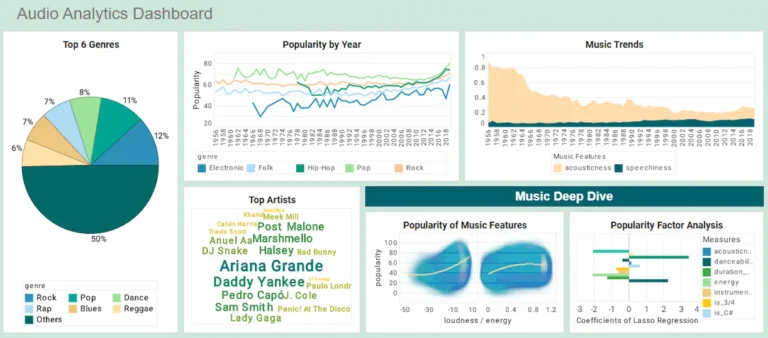
One of the most common misconceptions is treating audio telemetry as an isolated tool for the audio team. In practice, the data it produces directly affects combat design, level design, AI behavior, difficulty tuning, and accessibility systems. When a game relies on audio cues for critical information, such as off-screen enemy attacks, timers, stealth feedback, or environmental threats, sound becomes part of the core gameplay loop. If that loop fails, the issue is not audio quality. It is a systemic design failure. Audio telemetry exposes when cues are ignored, when they are masked, when they are perceived but do not trigger action, and when they create confusion instead of clarity. These are design-level problems.
What Audio Telemetry Measures in Games
At a practical level, audio telemetry tracks events and their relationship to player behavior. It records when a sound is triggered, how frequently it appears, under what conditions it occurs, and what happens immediately afterward in the player’s actions. A warning cue that triggers excessively stops functioning as a warning and becomes background noise. This is not a matter of opinion, it is observable behavior.
At the same time, telemetry reveals situations where multiple sounds compete, causing important cues to be masked by louder or higher-priority audio layers. In such cases, the sound technically exists, but functionally does not. The most critical layer of analysis is the relationship between sound and player response. The system measures whether the player reacts, how quickly they react, and what kind of action follows. This is where sound either proves itself as information or collapses into ambient filler.
How Data Is Collected
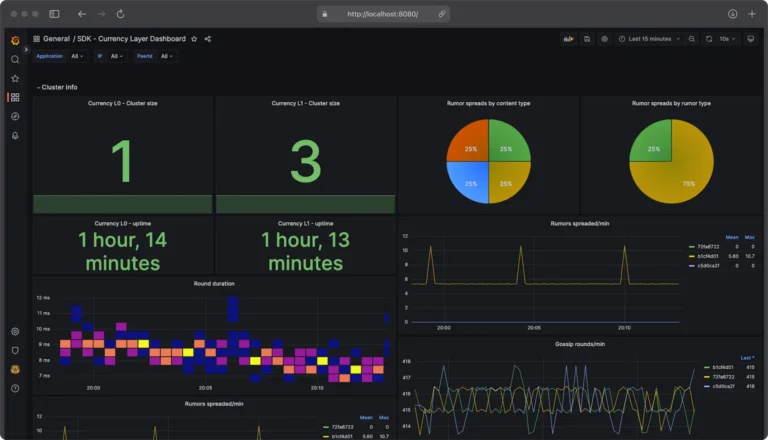
Audio telemetry is based on event tracking, not waveform analysis. Each sound cue is treated as a gameplay event. The system logs when it is triggered, under what conditions, and alongside which other systems it occurs. This data is combined with player input and gameplay state. The system knows whether the player is in combat, whether they have visual contact with a threat, whether they have encountered the same cue recently, and how they respond.
The result is not simply that a sound played. It is a complete behavioral snapshot of when it played and what followed. In testing environments, these datasets are often visualized in timelines or dashboards, revealing patterns that are impossible to detect through standard playtesting.
What It Enables in Design Decisions
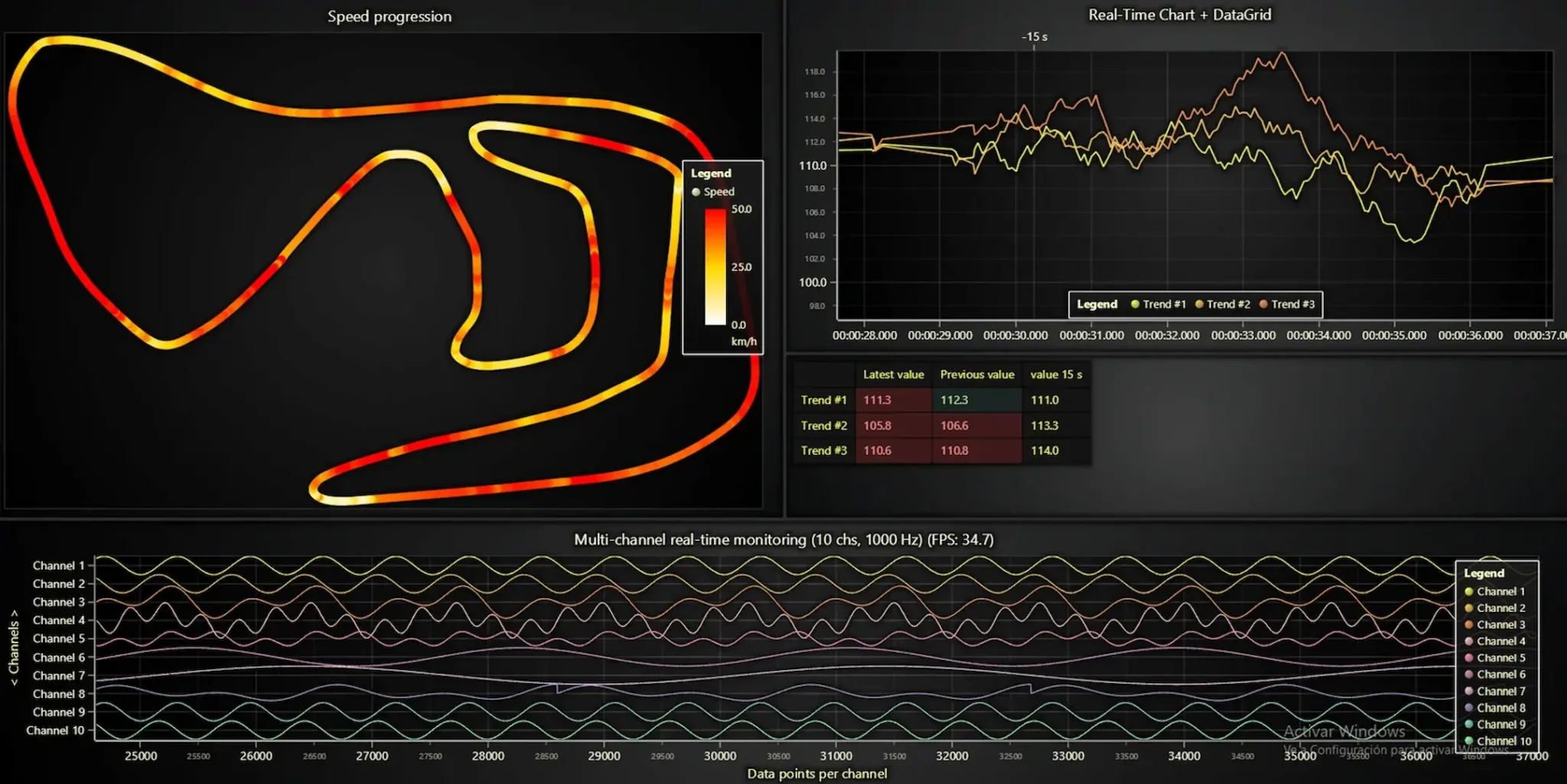
Audio telemetry converts vague impressions into actionable insight. When something feels wrong, telemetry identifies where and why. It reveals timing mismatches, such as warnings that occur after damage has already been taken, and priority conflicts where important cues are consistently drowned out. It also exposes patterns in player learning. If a cue becomes effective over time, it suggests that the player learns to interpret it. If it remains ineffective throughout, it indicates a deeper issue in clarity or trust.
Audio Telemetry and Accessibility in Games
In accessibility contexts, audio telemetry becomes critical, especially when sound replaces or supplements visual information. For players with reduced vision or cognitive limitations, reliable audio feedback is essential. Telemetry can reveal whether specific player groups fail to respond to cues that are considered critical. This allows for targeted adjustments, such as modifying frequency ranges, duration, or priority. These are not generic accessibility features, but precise design interventions based on observed behavior.
Where Audio Telemetry Fails
The most common failure is not technical, but structural. Teams often collect data without defining clear design questions. As a result, the data exists but does not lead to decisions. Another issue is isolation. When audio telemetry is not connected to gameplay metrics, it loses its meaning. Sound cannot be evaluated independently from player behavior. There is also the risk of over-optimization. Not every sound should demand an immediate reaction. Telemetry should inform design decisions, not dictate them.
Why Audio Telemetry Is Necessary in Games
As games become more complex, more systemic, and less dependent on UI, sound increasingly becomes a primary information channel. This makes its reliability critical. Audio telemetry allows design decisions to be grounded in actual player behavior rather than assumptions. It transforms sound from an abstract atmospheric layer into a measurable communication system between the game and the player. In modern game design, where clarity, readability, and accessibility are essential, audio telemetry is not optional. It is a necessary tool for understanding and evolving gameplay systems.
Scope and Limitations
This analysis approaches audio telemetry as a design tool, not as a technical implementation guide. It focuses on the relationship between audio cues, system state, and player behavior, and on how this relationship informs design decisions.
It deliberately excludes deep technical discussion of engine-specific implementations, middleware systems, and low-level audio engineering details, as these belong to a different analytical layer. It also avoids defining universal thresholds or success metrics. Audio telemetry data only becomes meaningful within its specific design context, genre, and intended player behavior. Interpretation remains a design responsibility.
The scope ends where audio telemetry shifts from experiential analysis to technical execution. This distinction does not limit its importance. It defines its role as the bridge between player behavior and the evolution of gameplay systems.