

Game feel is one of the most misunderstood terms in game design, mainly because it is often used without being defined precisely. It is usually described as “the feeling a game leaves behind,” a phrase that, in practice, explains nothing. Game feel is not emotion, atmosphere, or a matter of personal taste. It is the result of a specific chain of technical decisions that determine how a player’s intent is translated into immediate, clear, and reliable feedback from the game.
At its core, game feel exists in the space between input and outcome. From the moment the player presses a button to the moment the game responds, a chain of latency, timing, animation, audio, camera behavior, physics, and feedback takes place. The way this chain is tuned determines whether control feels natural and cooperative, or whether the game feels like it is resisting the player.
What We Define as Game Feel in Video Games
To analyze game feel properly, it first needs to be defined accurately. Without a clear definition, the term becomes descriptive or emotional, losing its usefulness as a design tool. At its technical core, game feel is not about what the player feels afterward, but about how they perceive, in real time, the relationship between input and outcome.
In strict terms, game feel is the collection of technical and systemic characteristics that determine how the player’s intent, through input, is translated into immediate, predictable, and perceptibly consistent feedback from the game. This definition does not describe aesthetic quality, does not refer to a specific genre, and does not involve abstract concepts such as immersion or emotion. It focuses exclusively on the cause-and-effect relationship as perceived by the player.
The key word in this definition is consistency. Game feel is not judged by a single input, but by whether the game behaves in a stable and predictable manner toward the player’s actions. When input consistently leads to the expected outcome, the player develops trust in the system. When that relationship breaks down, even occasionally, game feel begins to collapse regardless of how polished the individual mechanics may be.
Based on this definition, it becomes clear that game feel is not a single feature, but an emergent result of multiple systems operating simultaneously. Input handling, timing, animation, physics, audio, camera behavior, and technical stability collectively shape it. If any of these elements behaves inconsistently, the sense of control is distorted, even if everything else is implemented correctly.
This definition serves as the foundation for any further analysis of game feel. It does not describe how a game “should” feel, but instead establishes the framework through which the quality of its responsiveness can be evaluated objectively. From this point onward, every technical decision can be examined according to whether it strengthens or weakens this fundamental relationship between intent and outcome.
Input Latency and the Sense of Immediate Control
The foundation of game feel is input latency. Even minimal delays can drastically alter the experience, especially in games that demand precision and fast reactions. Latency is not always consciously perceived, but the player’s body registers it immediately. When response is delayed, control feels heavy and unreliable.
In Celeste, jumping activates almost instantly and is supported by input buffering, making the player feel that the game understands their intent. By contrast, in games where input passes through animation startup frames before producing a result, the experience becomes punishing even if the level design itself is fair. Low latency does not make a game easier. It makes it honest.
Clarity of Response and Trust in the System
Latency alone is not enough. The player must immediately understand whether the input was accepted, ignored, or failed because of a specific state. When the response is unclear, uncertainty emerges and the game loses the player’s trust.
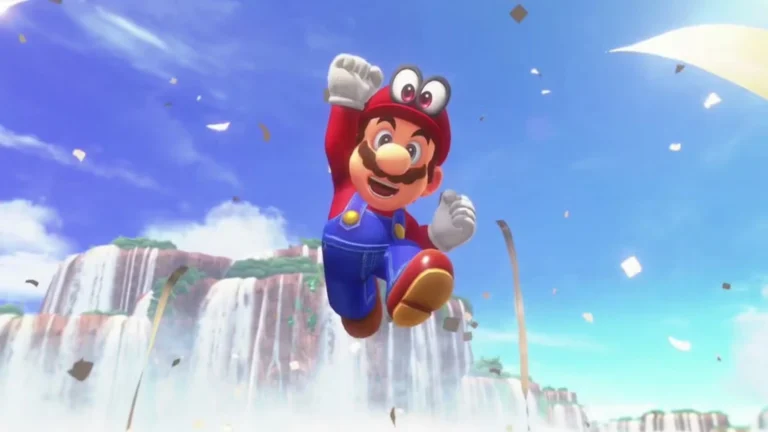
In Super Mario Odyssey, every action is accompanied by clear visual and audio feedback. The player never questions whether a jump or movement was executed correctly. This clarity is not simply a matter of comfort, but a foundation for learning and the creation of flow.
Animation Timing as a Gameplay Tool
One of the most common mistakes in designing game feel is confusing the visual quality of animations with their functionality. It does not matter how impressive a movement looks if it delays the outcome or locks the player in place unnecessarily. The critical factor is timing, specifically when the effect is triggered and when the player regains control.
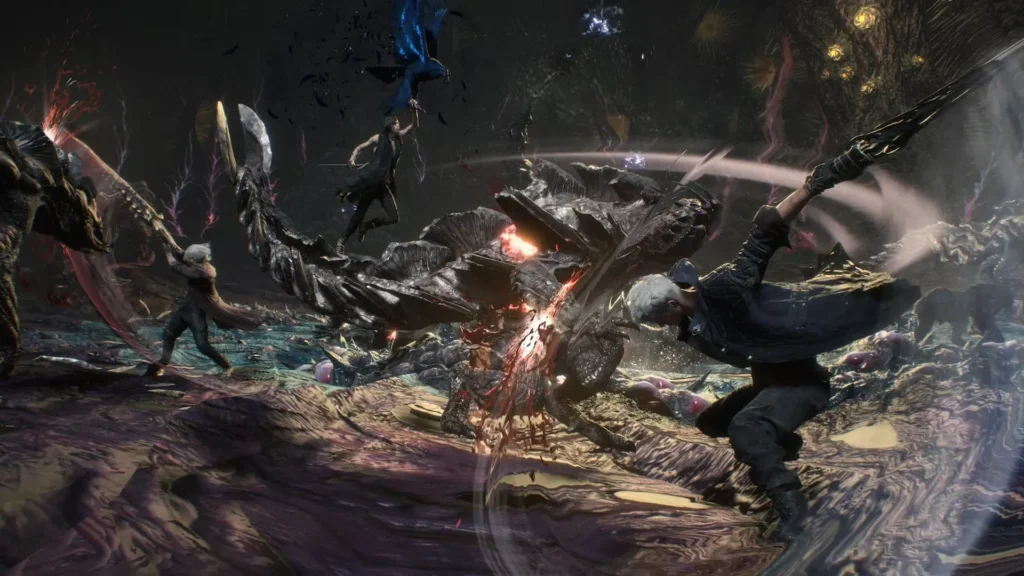
In Devil May Cry 5, attacks activate immediately and the animations are designed around combat timing rather than the other way around. Cancels, transitions, and recovery windows give the player a constant sense of control. In more cinematic action games, however, animations often take priority over gameplay, causing game feel to be sacrificed for visual presentation.
Physics, Acceleration, and the Sense of Movement in Space
Game feel is not limited to combat. The sensation of movement through space, how a character accelerates, decelerates, and changes direction, is equally important. Physics and inertia shape how the player perceives weight, control, and the game’s underlying intent.
In Hollow Knight, movement is tight, with controlled inertia that provides precision without becoming rigid. In Red Dead Redemption 2, weight and delayed movement are deliberate design choices intended to reinforce realism and the character of the world. In both cases, the game feel succeeds because it serves a clear design intention.
The Role of Audio in Game Feel
Audio functions as immediate confirmation of an action and as an amplifier of impact. It is not decorative, but a critical carrier of information. When audio feedback is synchronized properly, the player understands the result of an action without needing to look at UI elements.
In the Souls games, the sound of a weapon colliding with a shield or armor instantly communicates whether a block was successful. If this audio cue were delayed or absent, the exact same system would feel unclear and less reliable. Audio is an inseparable part of game feel, not a last-minute addition.
Camera Behavior and Subtle Interventions in Action Readability
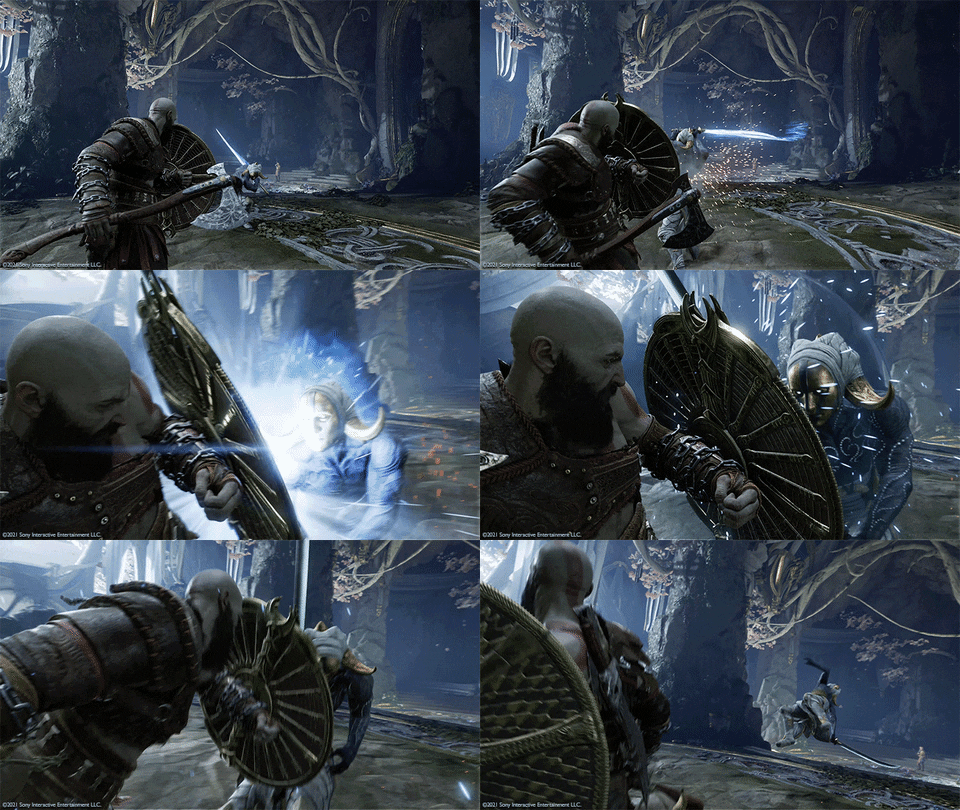
The camera influences game feel in ways that often go unnoticed. Small movements, subtle camera shakes, and controlled zooms reinforce the sensation of weight and impact. When applied correctly, they improve action readability without disorienting the player. In God of War (2018), every successful hit is accompanied by carefully tuned camera movement, creating a sense of power and control. Excessive use, however, can destroy game feel even in otherwise well-designed systems.
Hit Feedback and the Sense of Impact
Hit feedback is the convergence point of all the elements above. Hit stop, audio, particles, and animation timing combine to create the sensation of real contact. These small pauses in time are not always consciously noticed, but their absence is immediately felt. In fighting games such as Street Fighter, hit stop is fundamental to combat. Without it, attacks would feel flat and lifeless even if the mechanics themselves remained unchanged.
Game Feel Beyond Combat
Game feel does not stop at combat. Navigation through menus, inventory management, and cursor responsiveness are critical points of interaction with the player. Delays or inconsistencies in these systems can erode the experience even if the core gameplay is excellent. In Destiny 2, cursor movement and menu responsiveness reinforce a sense of fluidity and control. By contrast, games with slow or cumbersome menus create fatigue and disrupt flow.
Frame Rate, Frame Pacing, and Technical Stability
Game feel is directly affected by performance stability. A high frame rate alone is not enough if frame pacing is inconsistent. Even small fluctuations can distort the sensation of control and create subconscious discomfort.
Stable, predictable frame pacing contributes more to game feel than a high but unstable frame rate. This is one reason why technically “heavy” games can feel worse even when running at high resolutions.
Player Agency, Predictability, and Consistency
Game feel is not only about the present moment, but also about the player’s ability to predict what will happen next. When the game behaves consistently, the player learns, adapts, and feels responsible for the outcomes. When behavior becomes unpredictable, game feel collapses.
Predictability does not mean simplicity. It means clear rules applied consistently. This consistency is a cornerstone of player agency and determines whether the player feels in control of the experience or merely reacting to it.
Game Feel as a Tool for Balance and Perceived Difficulty

Game feel can dramatically alter the perception of difficulty without changing any numerical values. Small adjustments to wind-up timing, recovery frames, or feedback timing can make a system feel more demanding or more forgiving.
A game with immediate responsiveness and clear feedback feels fair even when it is difficult. By contrast, a game with delays and unclear signals is perceived as unfair even if its mechanics are simple.
Game Feel as a Foundation of Design
Game feel is not polish, nor is it something added at the end of development. It is a foundational design element that must be considered from the beginning. It requires collaboration between designers, programmers, animators, and audio designers, because none of these disciplines can shape it alone.
When game feel is designed correctly, the player understands the gameplay intuitively without needing to consciously analyze it. And that sensation, however difficult it may be to define in a single word, is often the real reason why a game becomes unforgettable.