
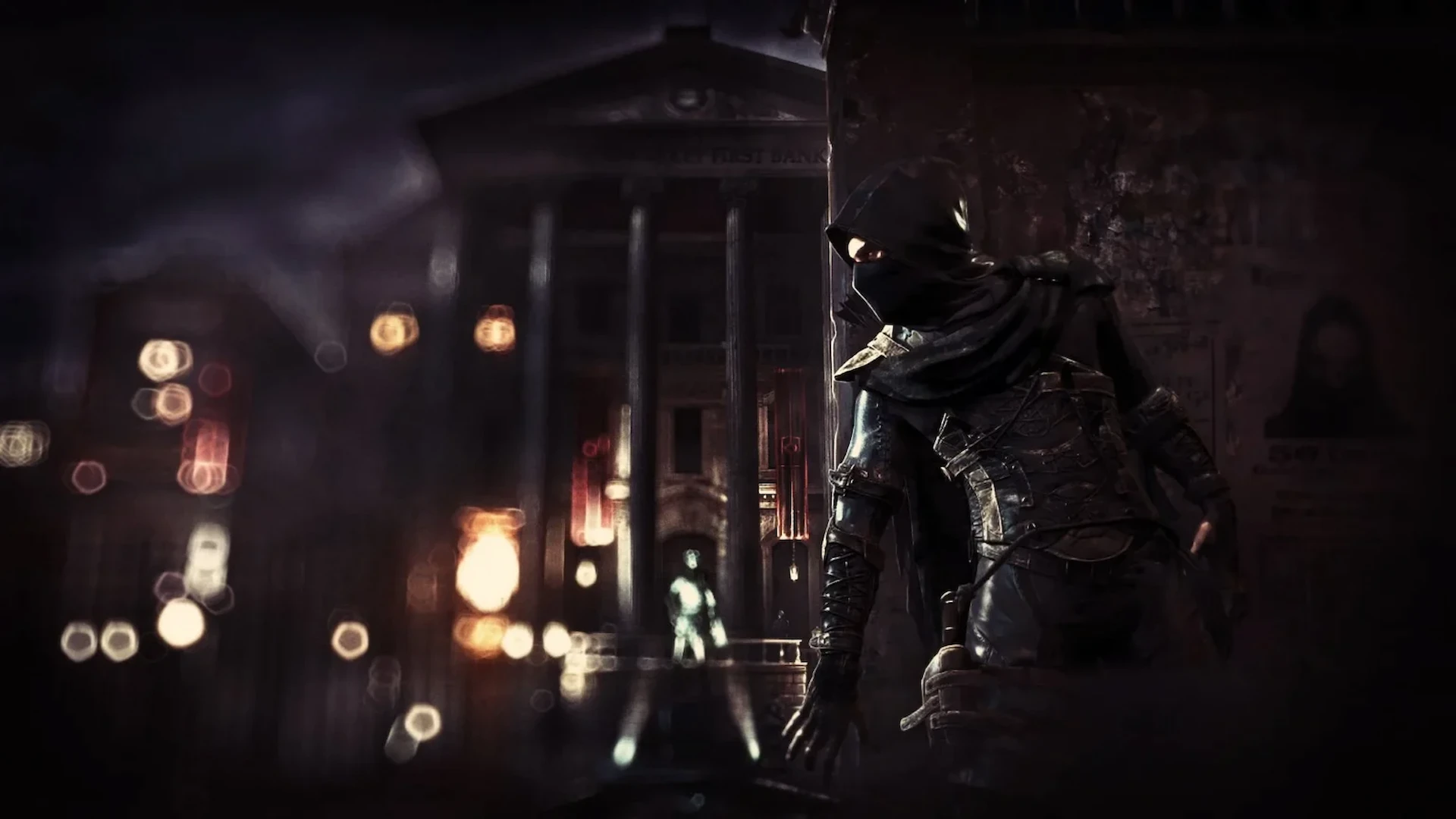
Stealth system is one of the most misunderstood systems in game design. On a surface level, it appears simple: the player avoids enemies and tries not to be detected. In reality, however, stealth is not built solely around hiding, but around information management, AI reliability, spatial control, and the creation of tension through uncertainty. As part of our series on the 9 core pillars of game design, we continue our analysis of the third pillar, Systems & Mechanics, by examining the structure and function of stealth systems and the way they influence strategic thinking, pacing, and the player’s overall behavior.
This is also why a stealth system can collapse very easily. If the player does not understand why they were detected, if enemy behavior functions inconsistently, or if the rules of the world change without clear logic, trust in the system is immediately lost. And the moment that trust disappears, the entire tension the game is trying to create collapses with it. Unlike most action systems, where power is expressed through direct confrontation, stealth is built around controlling the situation before combat even begins. The player observes patrol routes, evaluates sightlines, uses the environment to their advantage, and attempts to predict the behavior of the world around them. Gameplay therefore shifts the focus away from reflexes and toward strategic thinking and information analysis.
That is why stealth is not simply a gameplay mechanic. It is a complete behavioral system directly connected to AI behavior systems, traversal systems, and often even progression systems, since all of them influence the way the player moves, hides, and interacts with threats.
What a Stealth System Really Is in Game Design
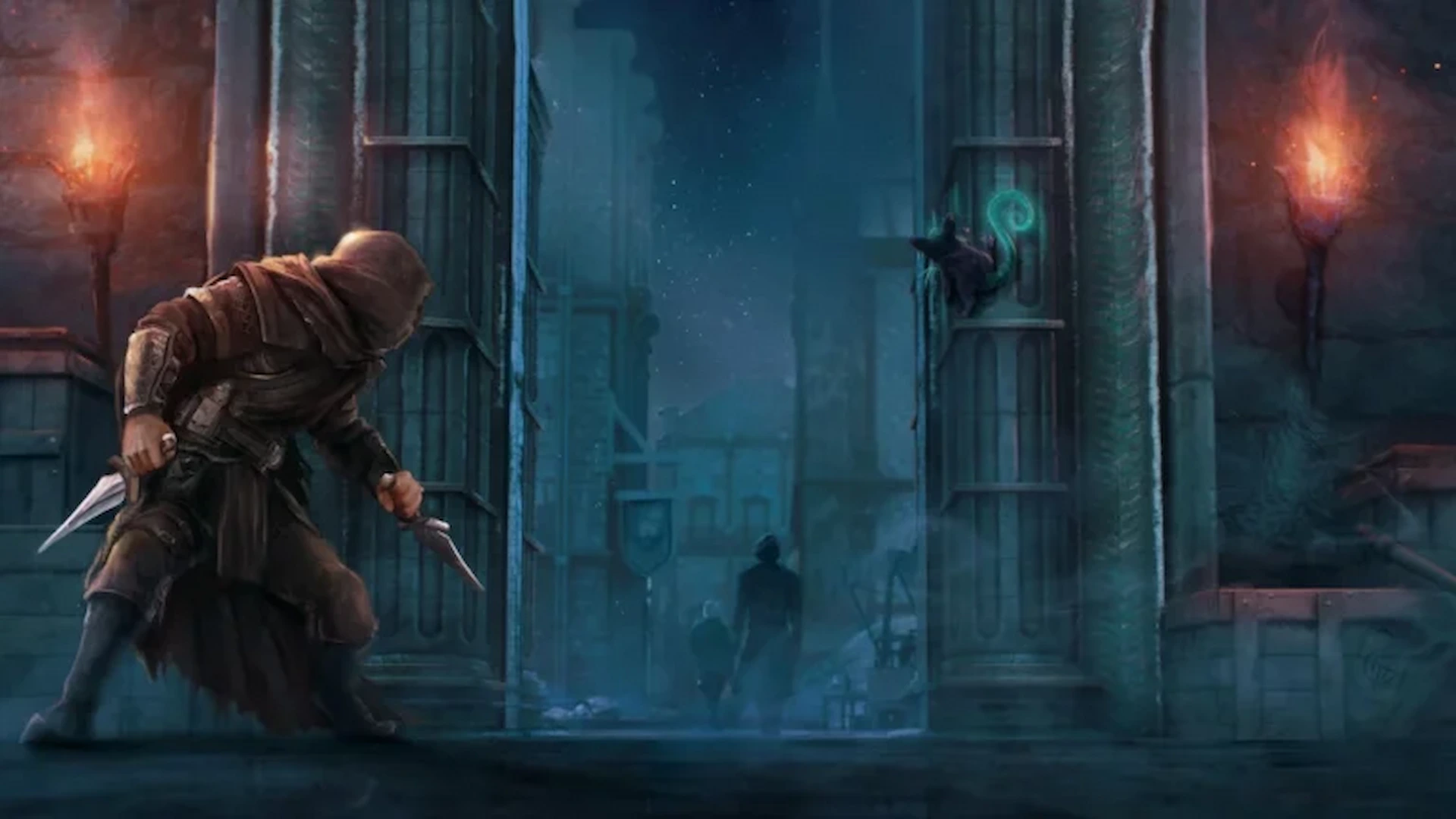
A stealth system is not simply a collection of mechanics that allow the player to hide. At its core, it is a system of information control and threat management. Its entire functionality revolves around who knows what, when they know it, and how they react to that information. In an action game, conflict is usually immediate and straightforward. The player sees an enemy, attacks, and the system primarily evaluates mechanical execution and reflexes. In stealth, however, the primary form of interaction is not attack, but the avoidance of exposure. This fundamentally changes the way AI, level design, movement, lighting, sound, and gameplay flow are structured.
The most important element of a stealth system in game design is predictability. The player must be able to read the environment and understand the rules governing the world. They need to recognize when they are in danger, which behaviors are considered suspicious, how enemy sightlines function, and which factors affect detection. If the system fails to communicate this information clearly, stealth quickly turns into random failure instead of strategic gameplay.
This is why most serious stealth games rely on clear behavioral logic. Enemies follow specific patrol routes, react to sounds, investigate suspicious activity, and gradually transition from calmness to alertness and finally full detection. This escalation is fundamental to stealth design because it creates room for reaction, improvisation, and recovery from mistakes instead of immediate punishment. At the same time, the stealth system must create constant tension without completely removing control from the player. If the game provides overly powerful tools, the tension disappears and stealth becomes exploitable. On the other hand, if the system is excessively punishing or chaotic, the player stops trusting the logic of the world. The balance between vulnerability and control is one of the most difficult aspects of stealth game design.
This is also why stealth is considered one of the most complex systemic structures in game design. It does not function in isolation, but requires close cooperation between AI, level design, traversal, sound, lighting, and the feedback continuously provided to the player.
The Importance of Information and Player Readability in Stealth Design
Stealth in game design relies more on information than on action. The player must constantly read the environment, analyze movement patterns, predict behaviors, and evaluate risks before making any decision. This makes readability a fundamental part of stealth design. In a properly designed stealth system, the world communicates its states clearly. The player understands where they can hide, which areas are considered safe, what enemy sightlines look like, and when a situation begins to become dangerous. Lighting, distances, viewing angles, sounds, and even the architecture of the level function as informational tools.
This is where many stealth systems fail. When the player cannot understand what exactly caused detection, failure feels unfair. Instead of encouraging strategic thinking, the game creates confusion and frustration. Stealth requires strict consistency in its rules because the entire experience is built on trust in the system. For the same reason, most stealth games use feedback states to communicate detection status. Enemies transition from neutral behavior to suspicion, investigation, and finally full alert. These transitions allow the player to understand what is happening before being punished immediately. In essence, stealth design builds tension not through sudden surprise, but through the gradual escalation of pressure.
Information, however, does not only concern the player. It also concerns the AI. A high-quality stealth system clearly defines what enemies know, what they can perceive, and how they share information with one another. If the AI “knows” things that cannot logically be justified within the world of the game, the illusion immediately collapses. The player must feel that they are interacting with systems governed by clear and predictable rules, not arbitrary scripts. This is why stealth is so closely connected to AI behavior systems. The quality of the AI determines not only the difficulty, but whether the entire stealth gameplay experience feels believable to the player.
Level Design and Environmental Control in Stealth Gameplay
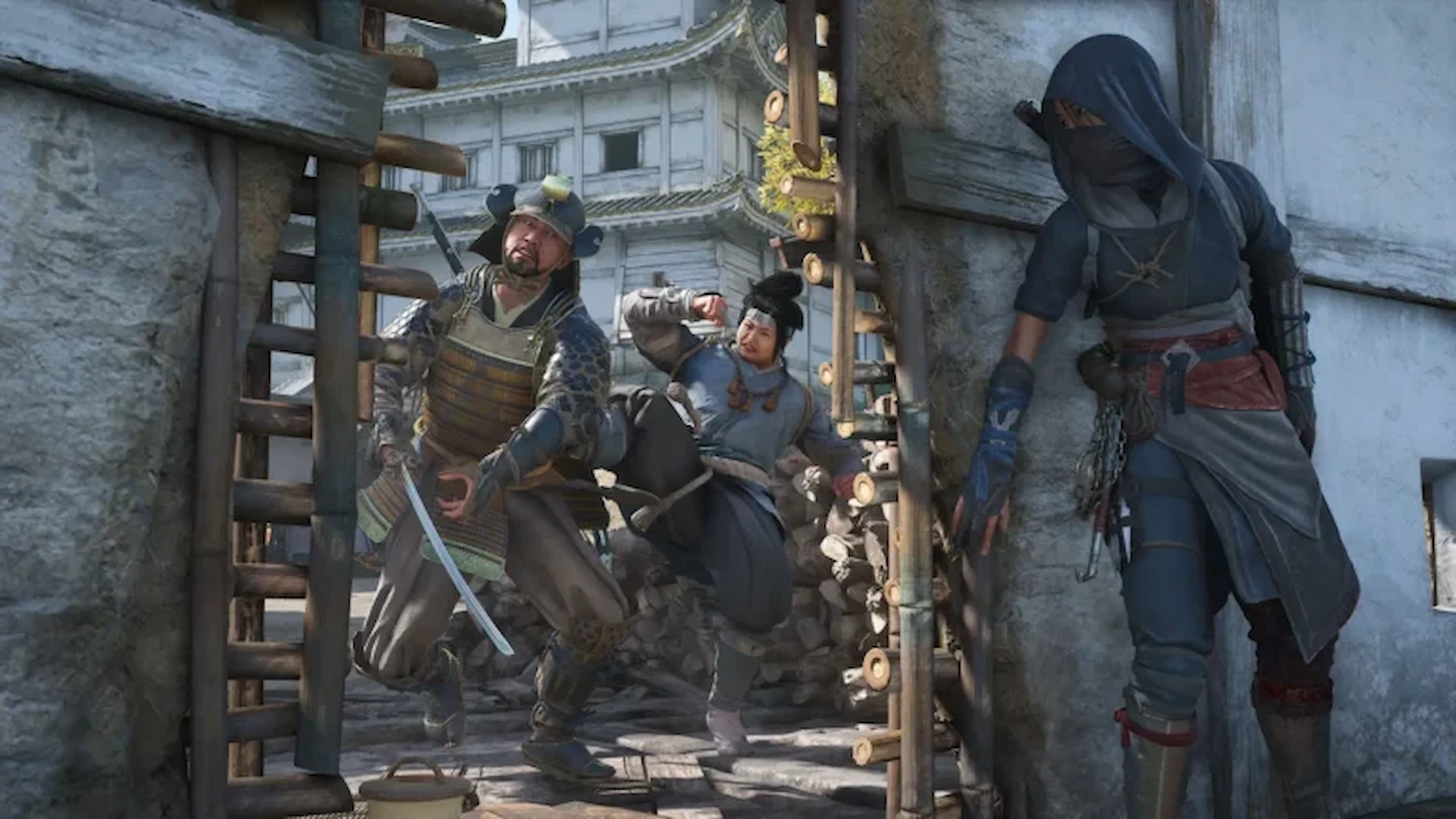
Level design is one of the most important pillars of any stealth system. Unlike other forms of gameplay, where space mainly functions as a combat arena or exploration area, in stealth the entire environment becomes a strategic tool. The player does not simply move through space. They analyze it. They observe sightlines, cover points, elevation differences, alternative routes, and areas with low visibility. Every corridor, shadow, ventilation shaft, or elevated position gains mechanical significance because it directly affects information and the probability of detection.
This means stealth level design must support multiple forms of approach. When a game offers only one “correct” route, stealth becomes a scripted puzzle rather than systemic gameplay. Strong stealth systems instead allow different paths, different movement rhythms, and multiple strategies for dealing with the same situation. Vertical design also plays a massive role. Many stealth games use elevation and multi-layered routes to give players greater control over information and observation. This connects directly to the traversal system, since mobility determines how freely the player can exploit the environment.
At the same time, the environment is often used as a tool for manipulating AI behavior. The player may create noise, disable lights, generate distractions, or alter patrol routes. At this point, stealth essentially becomes a system of controlling enemy behavior rather than merely a hiding mechanic. The balance here is extremely difficult. If the environment provides excessive safety, tension disappears. If the space does not offer enough options or safe zones, stealth becomes restrictive and punishing. Level design therefore does not merely support stealth. It is a fundamental part of the stealth system itself.
AI Detection, Suspicion States, and the Logic of Detection
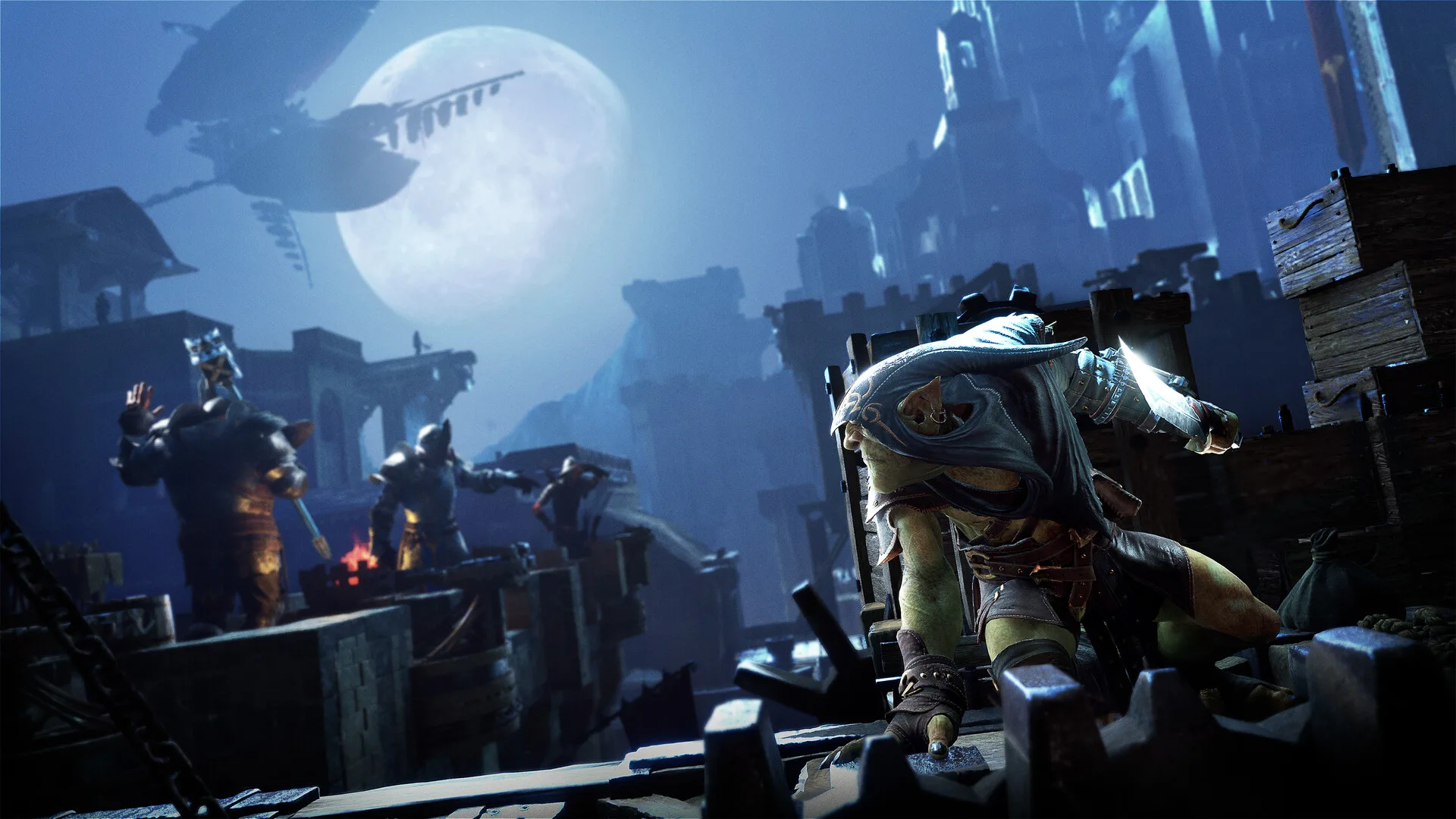
The core of every stealth system lies in the way AI perceives the player. It is not enough for enemies to simply “see” or “not see.” What truly matters is the existence of a believable and understandable detection logic that creates tension without feeling unfair or arbitrary. Most modern stealth systems are built around multiple detection layers. Visibility is influenced by factors such as lighting, distance, viewing angles, body posture, and movement speed. At the same time, sound functions as a separate information channel. Running, gunfire, falling objects, or environmental noises can trigger investigation or alert states.
What matters most, however, is not simply the existence of these mechanics, but the clarity with which they are communicated to the player. The player must be able to predict when an action is dangerous and how the AI is likely to react. If enemy behavior appears random or unnaturally omniscient, stealth immediately loses credibility.
This is why suspicion states are such a critical part of the design. AI rarely transitions directly from calmness to full combat. Usually there is a gradual process in which enemies first become suspicious, then investigate, and finally confirm the player’s presence. This structure creates tension without immediate punishment and leaves room for improvisation or recovery from mistakes. This logic is extremely important for the psychological pacing of stealth. The player does not only fear failure. They fear the gradual loss of control over the situation. The moment when an enemy “thinks they saw something” often creates more tension than combat itself, because the game shifts pressure toward uncertainty rather than direct confrontation.
At the same time, stealth systems must decide how information spreads between enemies. In some games, information is shared instantly and globally, while in others it spreads locally in a more organic way. This choice dramatically changes the feel of stealth gameplay. Universal awareness creates greater pressure but often feels artificial. More localized and organic communication makes the AI feel more believable, but requires significantly more complex systemic design. At this point, it becomes clear that stealth design is not merely about “hiding.” It is essentially a simulation of perception and reaction.
Player Agency and Different Approaches to Stealth Gameplay
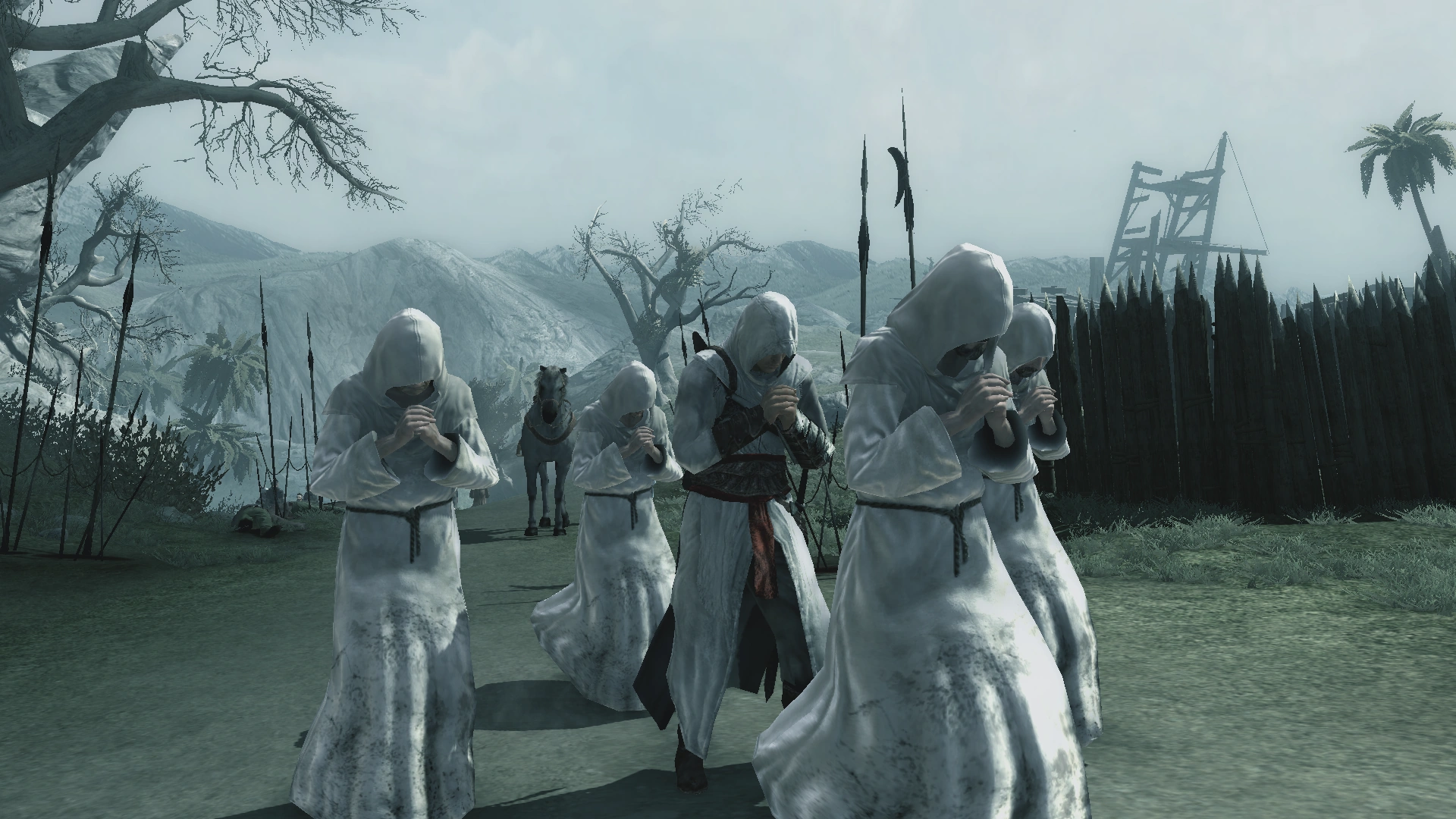
One of the most important aspects of a stealth system is the degree of freedom it offers the player. Stealth works best when it does not enforce a single solution, but instead allows different forms of approach and adaptation.
In many older stealth games, gameplay was built around heavily scripted paths and very specific “correct” actions. The player essentially had to solve a predefined pattern. While this approach could create strong control over pacing and difficulty, it significantly limited player agency. More modern stealth systems lean more heavily toward systemic design philosophy. The player is given tools and abilities, but the game does not necessarily demand one specific method of using them. Players may avoid enemies entirely, use distractions, move aggressively but silently, or even temporarily shift stealth into action gameplay when situations spiral out of control.
This degree of freedom is critical because it makes stealth feel more like a dynamic decision-making system and less like a predetermined puzzle. At the same time, it significantly strengthens immersion, since the player feels as though they are improvising within a functioning world rather than following invisible designer instructions. The player’s toolkit also plays a massive role here. Gadgets, distractions, hacking tools, environmental interactions, movement abilities, and non-lethal options directly affect the range of strategies available to the player. Stealth design is therefore closely connected to progression systems, since the gradual acquisition of new tools radically changes gameplay approaches.
However, more options do not necessarily mean better stealth. If the player gains excessively powerful tools, tension disappears and the system turns into an AI exploitation sandbox. A strong stealth system must constantly maintain balance between freedom and danger. This is one of the hardest challenges in stealth game design. The game must make the player feel intelligent and capable without ever allowing them to feel completely safe.
Stealth Failure and the Problem of Punishment

One of the most important issues in stealth game design is what happens when stealth fails. The moment of exposure often determines whether the entire system feels fair, tense, or frustrating to the player.
In many older stealth games, detection led almost immediately to mission failure or excessively punishing situations. This logic created tension, but also encouraged trial-and-error gameplay. Players were forced to repeat specific sections continuously until they found the “correct” solution, often destroying the natural flow of the experience. Modern stealth systems usually attempt to treat exposure as a dynamic state change rather than immediate failure. Gameplay temporarily shifts into heightened pressure or combat, giving the player an opportunity either to escape or to gradually restore the stealth state. This approach creates a far more organic flow because mistakes do not violently interrupt the experience, but instead become part of it.
The existence of recovery mechanics is crucial for this philosophy. Players need ways to regain control through hiding, repositioning, distractions, or breaking line of sight. Without such mechanics, stealth easily becomes a binary success-or-failure system. At the same time, however, overly easy recovery can destroy tension. If enemies “forget” the player within a few seconds or if AI instantly returns to a neutral state, detection stops carrying meaningful weight. Stealth requires consequences, otherwise the player stops respecting the threat.
This is where one of the biggest difficulties of stealth balancing emerges. The game must punish enough to maintain pressure, but not so much that it encourages constant save scumming or repetitive retries. The balance between tension and tolerance for mistakes is fundamental to the overall quality of stealth gameplay.
Environmental Storytelling and Psychology in Stealth Gameplay
Stealth has a unique relationship with atmosphere and player psychology. Unlike more aggressive gameplay systems, where tension is generated through action and conflict, stealth creates pressure primarily through waiting, uncertainty, and constant observation.
The player moves slowly, listens carefully to sounds, watches patrols, and attempts to predict danger before it appears. This gives enormous importance to environmental design and environmental storytelling. Lighting, sounds, architecture, shadows, and even the gaps between enemy movements function as tools for creating tension. Stealth design relies heavily on anticipation psychology. Players often fear the possibility of exposure more than the confrontation itself. Waiting behind a corner, hearing approaching footsteps, or noticing a sudden shift in AI behavior creates pressure without requiring direct action.
This is also why sound is such a fundamental element of stealth systems. Audio cues are used not only for atmosphere, but also as information mechanics. The player listens to patrols, reactions, alarms, or changes in the rhythm of the environment in order to understand what is happening even without direct visual contact. At the same time, stealth gameplay creates very different psychological experiences depending on the fantasy the game is trying to build. In some games, the player feels weak and vulnerable, using stealth as a means of survival. In others, stealth functions as a power fantasy of precision and control, where the player becomes an almost invisible predator.
This difference affects the entire structure of the system. A horror-stealth game relies more heavily on avoidance and vulnerability, while a tactical or assassin-oriented stealth game emphasizes control, information, and environmental manipulation. Although the core principles remain the same, the psychological framing dramatically changes how stealth gameplay is experienced.
Stealth as an Interconnected System Rather Than an Isolated Mechanic in Game Design
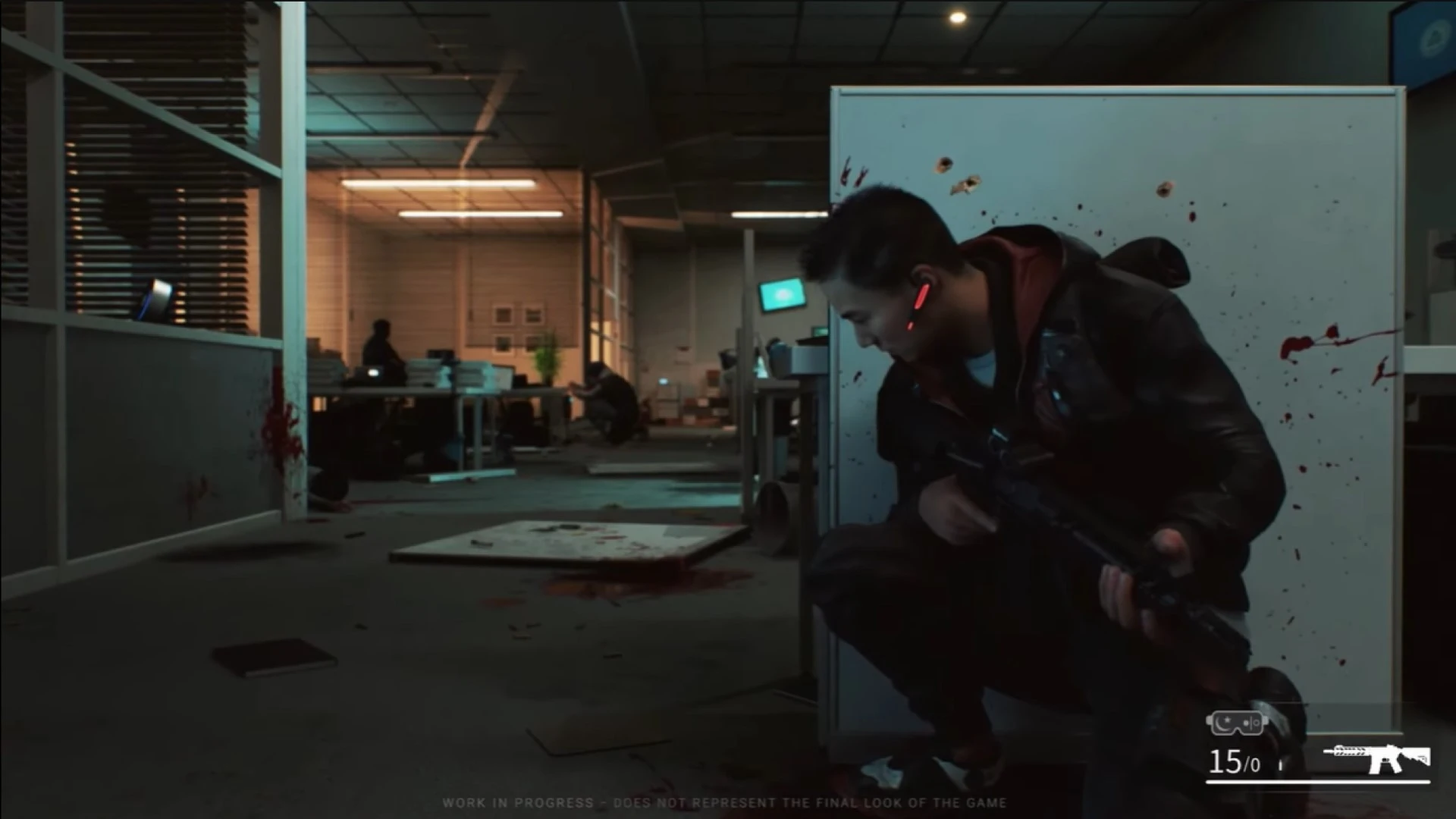
One of the biggest mistakes in game design is treating stealth as an isolated mechanic. In reality, stealth only works when multiple systems cooperate properly at the same time. If even one of these pillars fails, the entire experience begins to collapse.
AI is the most obvious example. If enemies do not react consistently or if their behavior feels unnatural, players stop trusting the gameplay. But AI alone is not enough. The traversal system determines how freely players can move through space, animation systems affect the feeling of control and precision, and audio design communicates critical information regarding threats, patrols, and danger states. Level design is equally important. Routes, shadows, sightlines, and alternative approaches are fundamental parts of the stealth experience. If the environment does not naturally support hiding and strategic movement, stealth quickly becomes a scripted sequence of actions instead of an organic system.
Even UI feedback plays a massive role. Detection indicators, audio cues, visual alert states, and informational feedback help players understand the state of the world. Without proper communication, stealth becomes vague and frustrating. This is why truly high-quality stealth systems require an exceptionally high level of systemic coordination. A single good mechanic is not enough. The system only functions when all individual structures communicate correctly with one another.
Different Game Design Philosophies in Stealth System
Although most stealth systems are built upon the same fundamental principles, their design philosophies can differ dramatically depending on the type of experience the game wants to create. Some games follow a pure stealth approach, where avoiding detection is almost an absolute requirement for success. Gameplay revolves around patience, observation, and precise execution. In these cases, tension emerges primarily from the player’s vulnerability and the severity of exposure. Other games move toward immersive sim philosophy, where stealth is part of a larger systemic sandbox. The player has multiple tools, different approaches, and a high degree of freedom. Here, stealth is not a strict path, but a dynamic system of interaction with the world.
There are also action-stealth approaches, where stealth functions more as a tactical advantage than as the primary gameplay requirement. Players can constantly transition between hiding and open combat, creating a more aggressive gameplay rhythm. In some cases, social stealth also appears, where concealment is not based on shadows and cover, but on blending into social environments. Players avoid detection through behavior, disguises, or crowd integration, fundamentally changing the nature of the stealth experience.
Finally, there are survival-stealth approaches that place greater emphasis on vulnerability and psychological pressure. Here, stealth does not function as a tool of dominance, but as a survival mechanic against threats the player cannot confront directly. Although all of these approaches theoretically belong to the same category of systems, their differing design philosophies dramatically alter pacing, psychology, and the overall gameplay experience.
The Most Common Problems and Design Failures in Stealth Systems
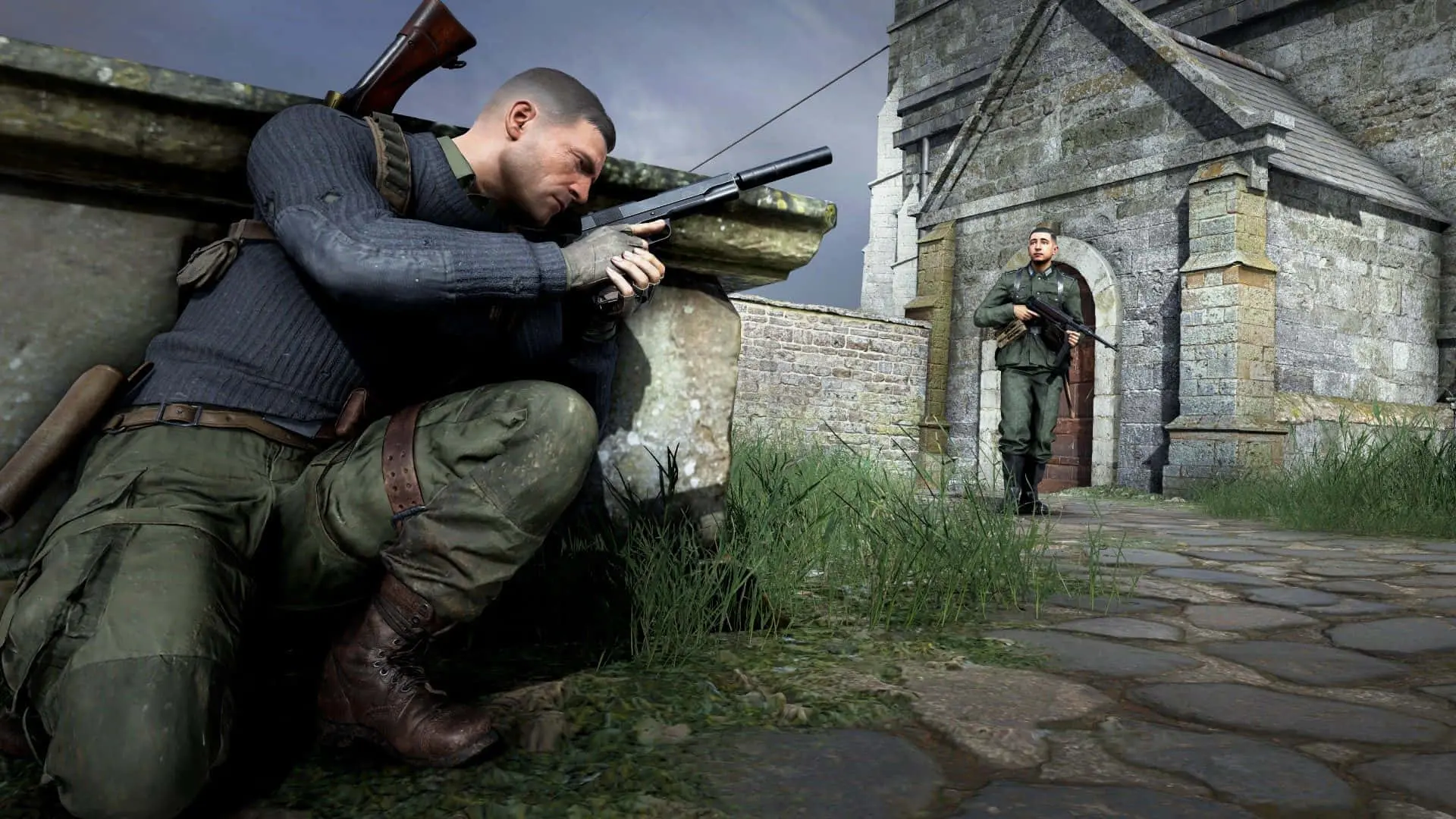
Stealth is one of the hardest systems to balance, which is why many games fail to support it properly. Even small inconsistencies can destroy tension and completely undermine the player’s trust in the system. One of the most common problems is inconsistent AI detection. When enemies react differently under identical conditions, or when they “see” the player through illogical situations, stealth stops feeling fair. The player no longer feels they failed because of poor strategy, but because of flawed system logic.
An equally common problem is overly predictable AI. If patrols and reactions can be easily exploited, tension disappears and gameplay turns into repetitive pattern execution. Many stealth systems also suffer from overpowered tools. When players possess excessively effective gadgets or abilities, stealth loses its sense of danger and becomes a power fantasy without meaningful pressure.
Another major issue is so-called fake stealth. In these cases, the game includes crouch movement or silent takedowns, but the overall gameplay structure still functions like a pure action game. Stealth exists only superficially, without meaningfully affecting level design, AI, or gameplay flow. Problematic stealth can also emerge when systems rely too heavily on trial-and-error. If players must repeatedly fail simply to learn invisible rules or scripted triggers, strategic thinking is replaced by memorization.
Finally, many games fail in the transition from stealth to combat. If gameplay completely collapses the moment the player is exposed, it creates a harsh discontinuity in the flow of the experience. A high-quality stealth system must organically support both concealment and the temporary loss of control.
What Truly Makes a Great Stealth System in Game Design
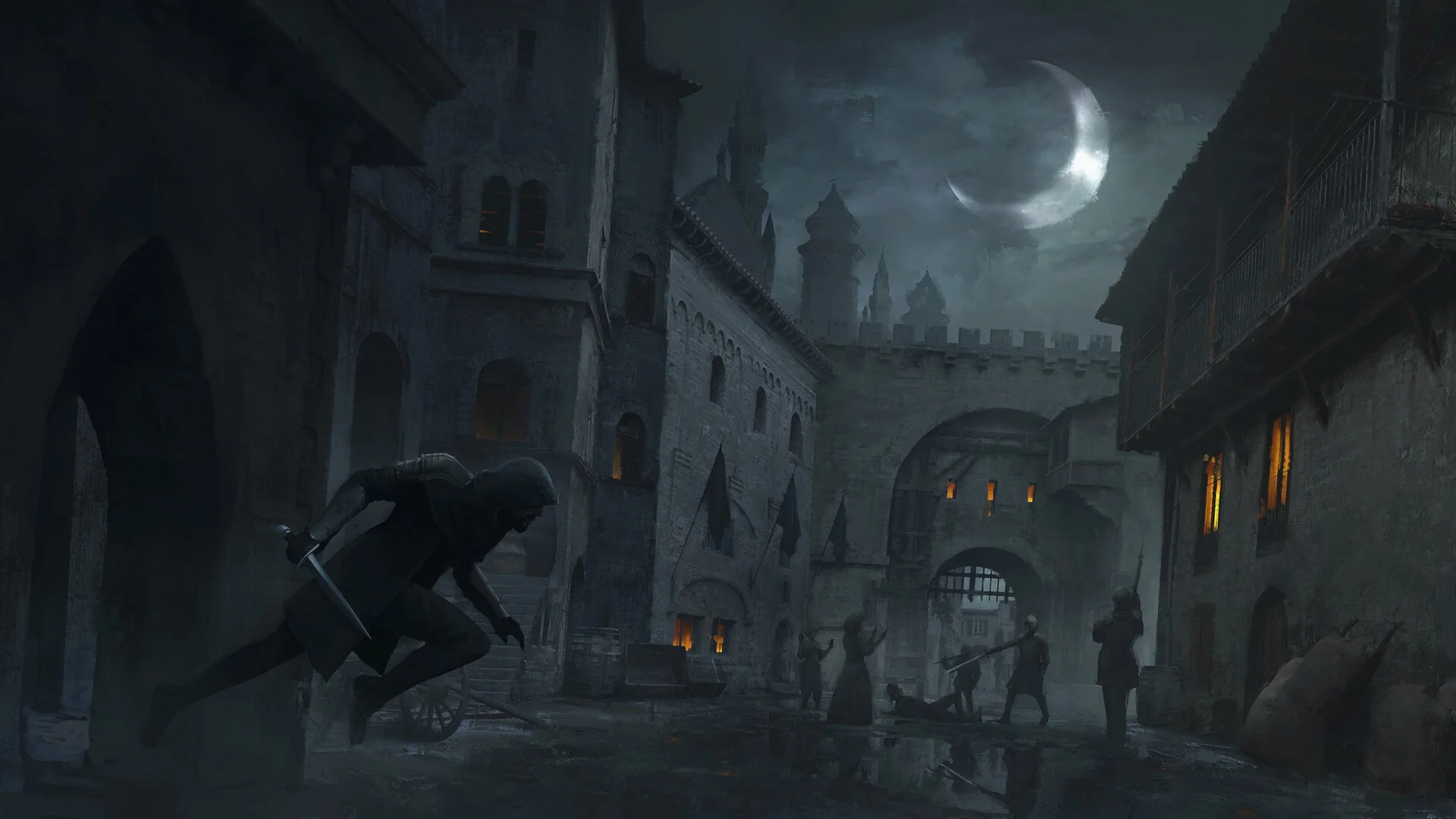
The best stealth system in game design do not stand out because it offers more gadgets or more complicated mechanics. They stand out because they create a strong relationship of trust between the player and the game world.
The player must feel that the rules are clear, that the AI behaves consistently, and that every success or failure emerges from their own decisions. This sense of reliability is fundamental to stealth gameplay because all tension is built on prediction and information control. At the same time, a strong stealth system must support player expression. Players need room for different strategies, improvisation, and adaptation. When stealth is limited to one single “correct” solution, it loses much of its dynamism.
Tension is also a critical element. Stealth works best when players constantly feel exposed, but never helpless. There must be enough control to allow planning and reaction, but enough danger for every decision to carry meaningful weight. The quality of systemic interaction also plays a major role. The best stealth games allow players to influence the world organically, manipulate behaviors, create distractions, and strategically use the environment instead of following strictly scripted solutions.
Ultimately, stealth is not simply about avoiding enemies. It is about controlling information, managing tension, and creating an ongoing psychological battle between the player and the game world. And that is precisely why it remains one of the most demanding and fascinating systems in all of game design.
Conclusion
Stealth system is one of the most demanding and multilayered systems in game design because it relies not only on mechanics, but on the overall cooperation of multiple gameplay structures. AI, level design, traversal, sound, feedback, and information must all function with complete consistency for players to trust the game world and develop strategic thinking.
Unlike many other systems, stealth creates tension not through direct action, but through uncertainty, observation, and control of the situation. The player is not simply trying to defeat the enemy. They are trying to understand the environment, predict behaviors, and manipulate information to their advantage.
This is also why truly high-quality stealth systems are not treated as secondary gameplay mechanics. They are complete behavioral systems that influence pacing, rhythm, psychology, and the overall structure of the experience.
And ultimately, that is the essence of stealth system in game design. Not simply “not being seen,” but feeling that you are controlling a situation that could collapse at any moment.