admin

admin

Counterplay Options in Game Design and Player Agency

Counterplay Options in game design and Player Agency

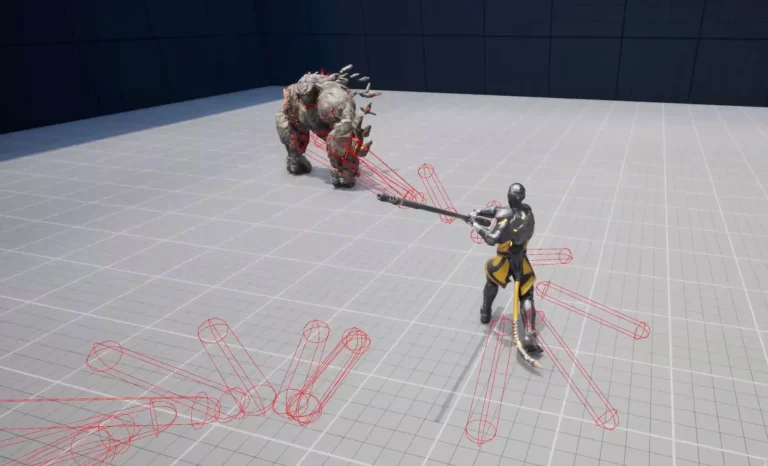
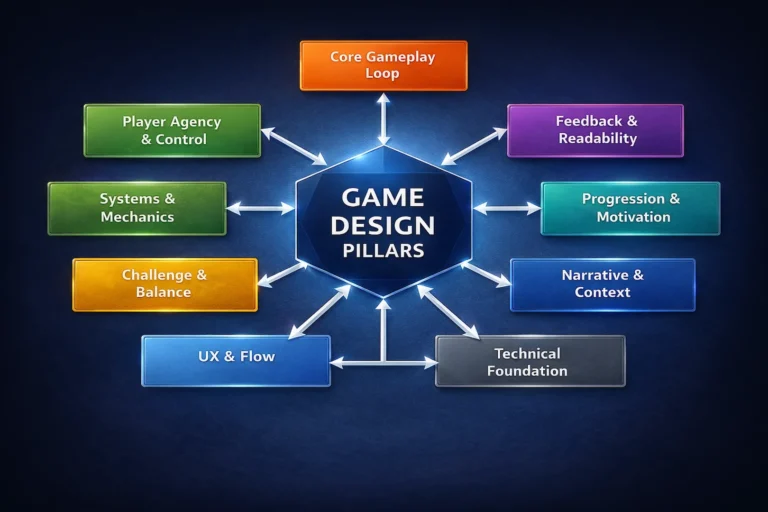
Within the broader framework of the nine core pillars of game design—and more specifically within the Player Agency & Control pillar—Counterplay Options represent the final and decisive component that closes the loop of active player participation within the system. If…

Player Agency & Control: Freedom vs Constraints

Freedom vs Constraints in game design and Player Agency & Control

Within the Player Agency & Control pillar, what ultimately matters is not whether “choices exist,” but whether you feel that your choices are real, understandable, executable, and lead to consequences the game does not quietly undo behind the scenes.The Freedom…

Progression Is a Control System, Not a Reward System

Progression in game design system

Progression system is often framed as motivation. Levels, unlocks, perks, and upgrades are treated as incentives meant to keep players engaged. This framing is misleading. Progression does not primarily exist to reward the player.It exists to regulate access. Through progression,…

Player Expression Is a Design Outcome, Not a Feature

Player Expression as a design outcome

Player expression is frequently discussed as a promise of freedom. Multiple playstyles, open systems, player choice. In practice, player expression is not something that can be added or advertised. It is the cumulative result of how systems are designed, constrained,…

Skill Trees and the Cost of Removing Commitment

Skill Trees in video games as a commintment design

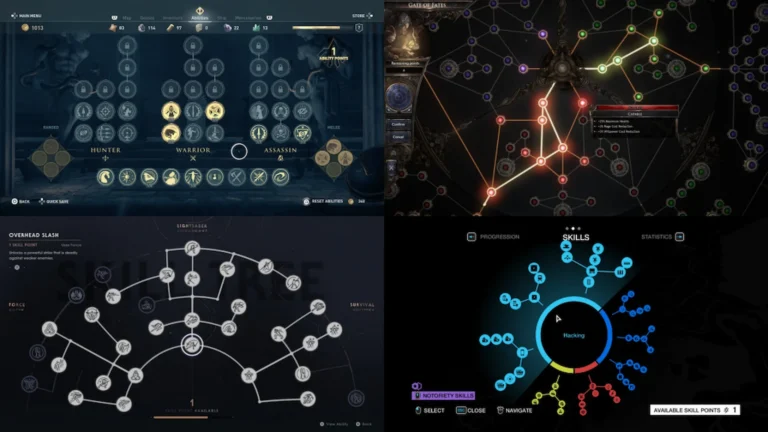
In modern game design, skill trees are often treated as a usability problem. Too complex, too punishing, too demanding for onboarding. The common response has been simplification, modular perks, or complete removal in favor of flexible progression systems. In practice,…